
Proprietary Course MaterialsStandardized content updated in line with the course objectives.


Course
Empowerment and Influence Skills
Empowerment and Influence Skills
Enable managers to empower with appropriate controls, exert positive influence, and develop greater team autonomy.
Table of Contents
1. Course Overview
Empowerment is neither assigning a task and stepping away nor transferring responsibility without the necessary authority and resources. Without clear selection criteria, decision boundaries, and monitoring mechanisms, managers often have to intervene again while employees remain reluctant to take initiative.
The course “Empowerment and Influence Skills” guides participants in identifying suitable tasks for empowerment, selecting the right person, and clarifying authority, outcomes, boundaries, and required support. The course also develops influence based on credibility, communication, and shared interests.
Through empowerment and resistance-management scenarios, participants practice establishing accountability agreements, monitoring progress through outcome milestones, and creating an environment that encourages employees to make decisions proactively.
2. Learning Objectives
- Distinguish among task assignment, delegation, and empowerment in a leadership role.
- Assess the task, associated risks, and employee readiness before empowering.
- Clarify expected outcomes, decision scope, resources, and accountability boundaries.
- Use credibility, communication, and shared interests to create positive influence.
- Monitor, provide feedback, and offer support while preserving the empowered person's autonomy.
- Develop principles and behaviors that foster a culture of empowerment within the team.
3. Target Participants
- Business Leaders and Functional DirectorsThose who need to distribute decision authority and develop successors.
- Middle Managers and Department HeadsThose who regularly empower others and remain accountable for unit results.
- Team Leaders and New ManagersThose seeking to reduce micromanagement while maintaining work quality.
- High-Potential Employees and Specialists Preparing for ManagementThose who need to lead through influence and accountability.
4. Course Outline
PART 01The Empowerment and Influence Mindset
- The concept of empowerment in modern management.
- The difference between task assignment and empowerment.
- The role of influence in leading teams.
- The performance benefits of empowerment.
- Trust as the foundation of influence.
- Common empowerment mistakes.
- Scenario: a manager holds onto work while the team remains passive.
- Discussion: current barriers to empowerment.
PART 02Selecting the Right Tasks and People for Empowerment
- Classify tasks that can be empowered.
- Assess capability and readiness.
- Determine the appropriate level of autonomy.
- Identify risks arising from inappropriate empowerment.
- Select people based on capability and attitude.
- Tool: capability-based empowerment matrix.
- Example: empowering a new employee.
- Exercise: identify tasks suitable for empowerment.
PART 03An Effective Empowerment Process
- Clarify objectives and expected outcomes.
- Agree on the scope of execution authority.
- Provide the necessary resources and information.
- Establish progress checkpoints.
- Define outcome evaluation criteria.
- Link empowerment with accountability.
- Scenario: an employee misunderstands the limits of authority.
- Practice: an empowerment conversation for a specific task.
PART 04Influencing Without Formal Authority
- Build credibility through demonstrated capability.
- Communicate clearly, consistently, and reliably.
- Listen to understand stakeholder interests.
- Build alignment around shared interests.
- Use data and evidence persuasively.
- Technique: use guiding questions rather than imposing solutions.
- Example: influencing colleagues across functions.
- Exercise: design an influence message.
PART 05Monitoring, Feedback, and Support After Empowerment
- Monitor progress without micromanaging.
- Ask supportive questions instead of taking over.
- Provide timely feedback on specific behaviors.
- Recognize effort and results achieved.
- Treat mistakes as learning opportunities.
- Adjust the level of empowerment as capability develops.
- Scenario: an employee struggles after being empowered.
- Practice: a post-empowerment feedback meeting.
PART 06Building a Culture of Empowerment and Positive Influence
- Encourage proactive decision-making.
- Develop succession capability within the team.
- Create a psychologically safe environment for experimentation.
- Extend influence through role-modeling behavior.
- Connect empowerment with organizational objectives.
- Measure effectiveness through team outcomes.
- Commitment: three actions after the course.
- Final exercise: develop a practical empowerment plan.
5. Training Methodology
Classes are delivered in small, learner-centered groups. Instructors provide concise input, then facilitate discussions, scenario-based practice, feedback, and reflection so participants can translate knowledge into practical workplace behaviors.
Group Discussions
Individual Exercises
Group Presentations
Brainstorming Techniques
Guided Practice with the Instructor
Experiential Projects
In-Class Activities
Role-Playing Activities
Class Presentations
6. Class Information
| Expected Start Date | Schedule | Class Hours | Location | Tuition Fee | Register |
|---|---|---|---|---|---|
| To Be Announced | Saturday – Sunday | 08:30 – 16:30 | Ho Chi Minh City | VND 4,500,000 | Register |
| To Be Announced | Monday – Thursday | 18:00 – 21:30 | Hanoi | VND 4,500,000 | Register |
10% discount for registration at least 15 days in advance, groups of three or more participants, or returning clients.Reserve a Seat
Note: The schedule above is provisional and may be adjusted based on enrollment, class arrangements, and the actual training plan. Masterskills will confirm the official schedule with participants before the course begins.
- Duration: 2 days / 4 sessions; maximum 35 participants per class.
- Ho Chi Minh City: 224 Dien Bien Phu Street, Ban Co Ward, Ho Chi Minh City.
- Hanoi: 51 Le Dai Hanh Street, Hai Ba Trung Ward, Hanoi.
- Corporate in-house training: Delivered at the client's office or factory; pricing depends on the design scope, location, and class size.
- Additional costs: Instructor travel and accommodation costs are determined by the delivery location, where applicable.
7. Learning Materials & Certification
Participants receive proprietary course materials developed by Masterskills, practical handouts, self-assessment forms, and reference materials aligned with real business situations.
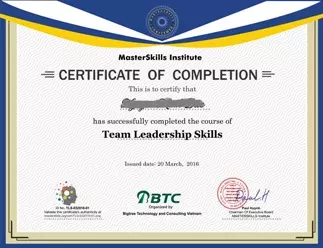
Course Completion Certificate
Participants who meet the attendance and practical requirements receive a Masterskills certificate of program completion.
8. Faculty
Masterskills instructors and experts bring practical management, consulting, and training experience relevant to the program content.

MBA. Paul Huỳnh
Leadership and capability development expert specializing in management skills, critical thinking, execution leadership, and coaching.

TS. Thái Trí Dũng
Human resources management and behavioral psychology expert specializing in leadership, managerial psychology, negotiation, culture, and organizational behavior.
9. Masterskills Corporate Profile
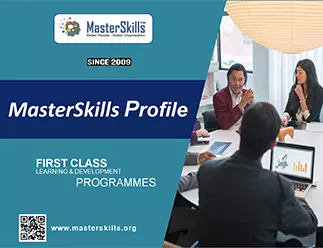
An overview of Masterskills' training capabilities, areas of expertise, delivery methodology, and experience partnering with organizations.
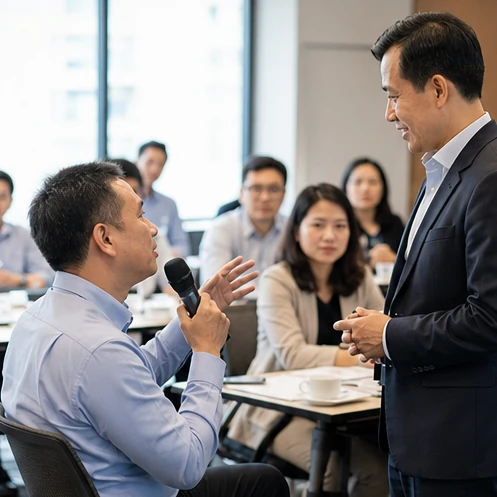
Client Testimonials
View More Client Testimonials“The Empowerment and Influence Skills course offers practical content, workplace-relevant exercises, and clear facilitation. The instructor helps participants use appropriate tools, analyze situations, and develop solutions they can apply after the program.”
10. Selected Clients
Masterskills has delivered a number of corporate training programs with content closely related to this course topic.
.webp) Empowerment & Influence SkillsFar Eastern Apparel Vietnam - Ho Chi Minh City
Empowerment & Influence SkillsFar Eastern Apparel Vietnam - Ho Chi Minh City
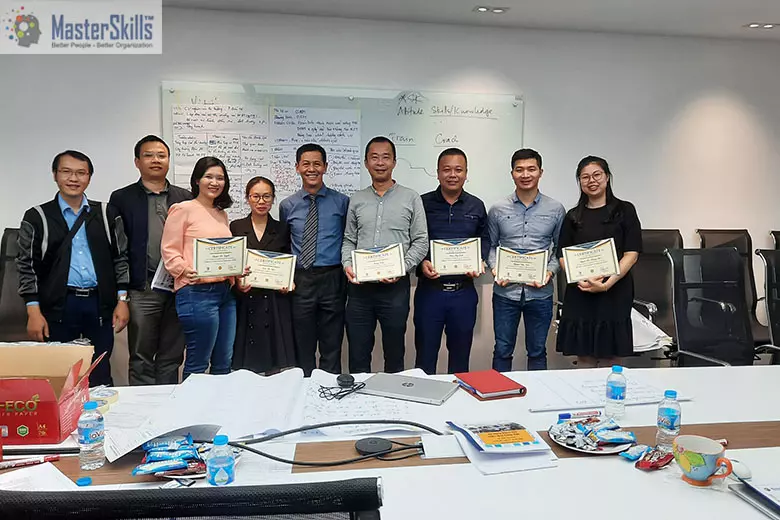 Performance EvaluationXuan Cau Company – Ho Chi Minh City
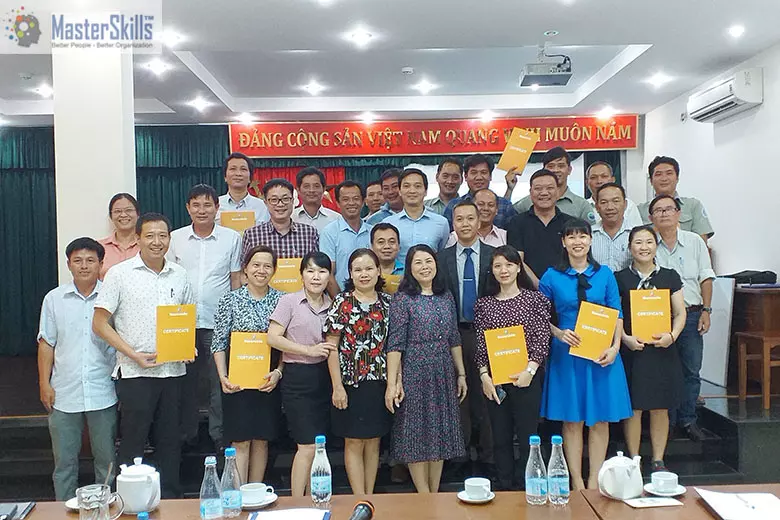 Leadership MindsetNhon Trach Water Supply Joint Stock Company – Dong Nai Province
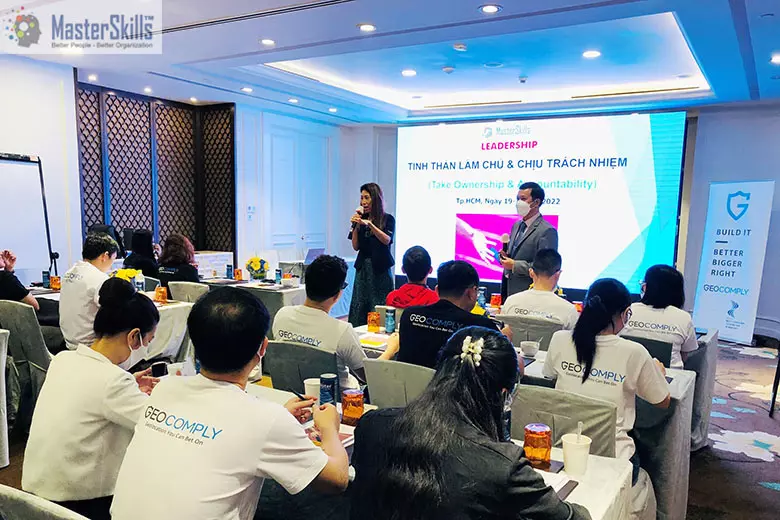 Ownership & AccountabilityG-Comply Vietnam – Ho Chi Minh City
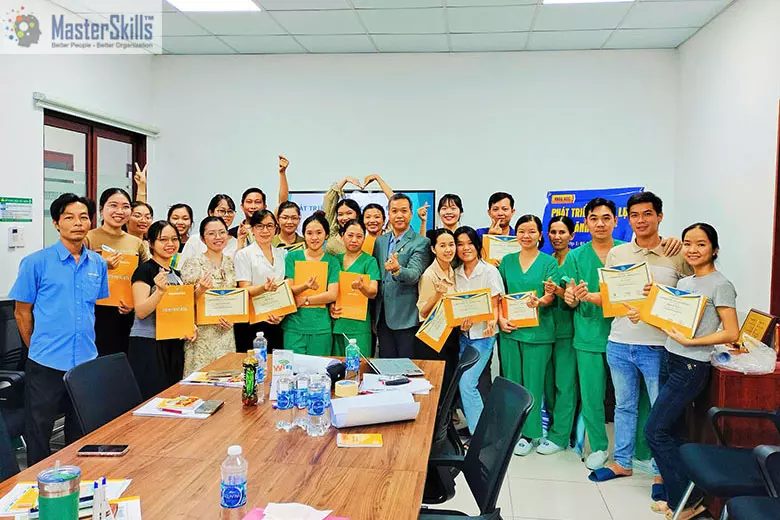 Leadership Skills Development (Class 1)DNS GLOBAL Vietnam - Dong Nai
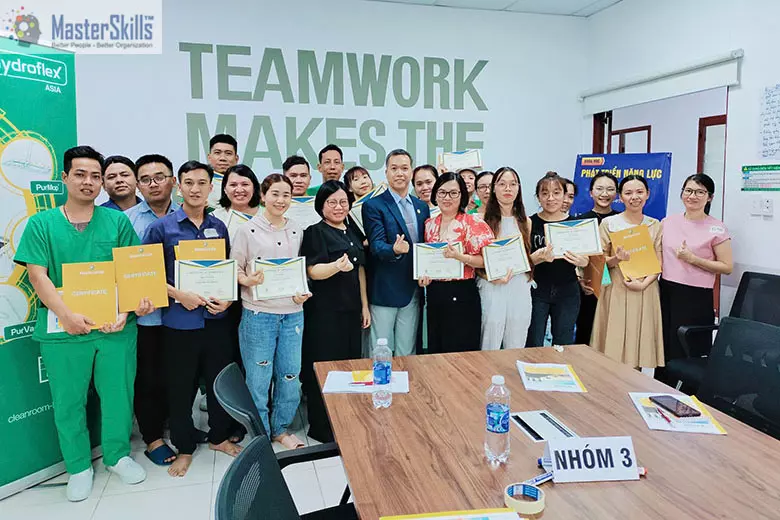 Leadership Skills Development (Class 2)DNS GLOBAL Vietnam - Dong Nai
.webp) Team Spirit & TeamworkAnt Farm Vietnam – Ho Chi Minh City
Team Spirit & TeamworkAnt Farm Vietnam – Ho Chi Minh City
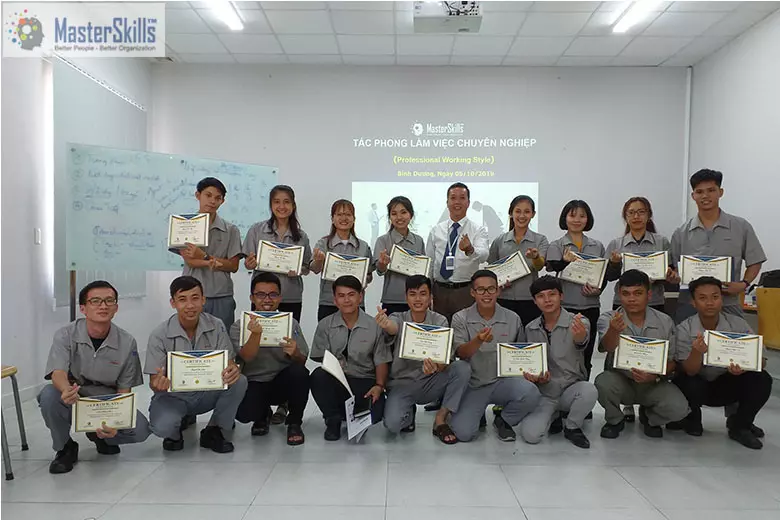 Professional Work PracticesDongil Rubber Belt Vietnam – Ho Chi Minh City
Related Courses

Delegation & Work MotivationDevelop delegation and work-motivation capability through practical scenarios.

Performance EvaluationDevelop performance evaluation capability through practical scenarios.

Work Supervision and EvaluationDevelop work supervision and evaluation capability through practical scenarios.

Delegation and Work OrganizationDevelop delegation and work-organization capability through practical scenarios.

Ownership & AccountabilityDevelop ownership and accountability through practical scenarios.

Building and Using PowerDevelop the capability to build and use power through practical scenarios.
Ready to strengthen your team's empowerment and influence skills?
Masterskills experts are ready to advise you on an Empowerment and Influence Skills program aligned with your organization's objectives.