
Proprietary Course MaterialsStandardized content updated in line with the course objectives.








Course
Enterprise Digital Transformation
Digital Transformation for Enterprises
Equip participants to assess the current state, set priorities, and build a digital transformation roadmap aligned with strategy, processes, data, and people.
Table of Contents
1. Course Overview
Digital transformation is not simply an investment in software. Many initiatives fail because organizations select technology before clarifying the business problem, standardizing processes, consolidating fragmented data, or securing workforce alignment.
The course “Enterprise Digital Transformation” provides a structured approach covering readiness assessment, prioritization, strategy and roadmap development, and the selection of data, process, and technology platforms. The course also emphasizes change management, digital capability development, and governance of the transformation program.
Through current-state analysis and roadmap-building exercises, participants can identify initiatives suited to organizational objectives, available resources, and maturity level, while establishing performance indicators to guide adjustments during implementation.
2. Learning Objectives
- Analyze the nature and core components of enterprise digital transformation.
- Assess the current state of strategy, processes, data, technology, and organizational capability.
- Identify priority issues and select digital initiatives aligned with business objectives.
- Develop a phased digital transformation roadmap with defined resources and implementation responsibilities.
- Manage change, communication, and digital capability development across the workforce.
- Establish performance indicators, review mechanisms, and continuous improvement for the transformation program.
3. Target Participants
- Business Leaders and Executive Team MembersThose responsible for strategic direction and investment decisions relating to digital transformation.
- Functional Directors and Middle ManagersThose translating digital objectives into initiatives and implementation plans within their functions.
- Digital Transformation, Technology, and Improvement ProfessionalsThose coordinating project portfolios, data, processes, and change management.
- Project Managers and Business SpecialistsThose involved in designing or implementing cross-functional digital initiatives.
4. Course Outline
PART 01Overview of Enterprise Digital Transformation
- The concept of enterprise digital transformation.
- The distinction between digitization and digital transformation.
- The role of technology in business models.
- The interrelationship among data, processes, and people.
- Levels of digital transformation maturity.
- An integrated enterprise digital transformation model.
- Scenario: software investment with limited results.
- Practice assessing digital transformation awareness.
PART 02Current-State Assessment and Prioritization
- Review current operating processes.
- Assess data readiness.
- Identify bottlenecks causing significant waste.
- Analyze customer needs in a digital environment.
- Prioritize initiatives by impact and feasibility.
- Current-state, opportunity, and priority matrix.
- Example: selecting a priority digitization project.
- Practice developing a digital transformation priority map.
PART 03Developing a Digital Transformation Strategy and Roadmap
- Clarify the business objectives requiring transformation.
- Design a digital vision aligned with strategy.
- Define initiatives for each implementation phase.
- Allocate resources, budgets, and responsibilities.
- Link digital transformation to corporate KPIs.
- Develop short- and medium-term implementation roadmaps.
- Scenario: fragmented digital transformation without clear priorities.
- Practice building a digital transformation roadmap.
PART 04Foundational Data, Processes, and Technology
- Standardize data before automation.
- Optimize processes before software implementation.
- Select technology suited to actual business needs.
- Apply ERP, CRM, BI, and AI in management.
- Establish security and access-control principles.
- Enterprise data governance processes.
- Scenario: fragmented data leading to poor decisions.
- Practice designing a basic data architecture.
PART 05Change Management and Digital Capability Development
- Identify resistance during technology implementation.
- Communicate the benefits of digital transformation clearly.
- Develop digital skills for different role groups.
- Build a core team to lead change.
- Shift work habits toward data-driven practices.
- Establish user-support mechanisms during the initial phase.
- Scenario: employees do not adopt the new system.
- Practice developing a change management plan.
PART 06Measuring Performance and Sustaining Digital Transformation
- Establish digital transformation performance indicators.
- Track productivity, costs, and customer experience.
- Assess actual technology adoption.
- Improve systems based on user feedback.
- Manage technology risks and data security.
- Sustain a culture of innovation and digital learning.
- Scenario: a successful digital project that is difficult to scale.
- Practice developing a performance measurement plan.
5. Training Methodology
Classes are delivered in small, learner-centered groups. Instructors provide concise input, then facilitate discussions, scenario-based practice, feedback, and reflection so participants can translate knowledge into practical workplace behaviors.
Group Discussions
Individual Exercises
Group Presentations
Brainstorming Techniques
Guided Practice with the Instructor
Experiential Projects
In-Class Activities
Role-Playing Activities
Class Presentations
6. Class Information
| Expected Start Date | Schedule | Class Hours | Location | Tuition Fee | Register |
|---|---|---|---|---|---|
| To Be Announced | Saturday – Sunday | 08:30 – 16:30 | Ho Chi Minh City | VND 4,500,000 | Register |
| To Be Announced | Monday – Thursday | 18:00 – 21:30 | Hanoi | VND 4,500,000 | Register |
10% discount for registration at least 15 days in advance, groups of three or more participants, or returning clients.Reserve a Seat
Note: The schedule above is provisional and may be adjusted based on enrollment, class arrangements, and the actual training plan. Masterskills will confirm the official schedule with participants before the course begins.
- Duration: 2 days / 4 sessions; maximum 35 participants per class.
- Ho Chi Minh City: 224 Dien Bien Phu Street, Ban Co Ward, Ho Chi Minh City.
- Hanoi: 51 Le Dai Hanh Street, Hai Ba Trung Ward, Hanoi.
- Corporate in-house training: Delivered at the client's office or factory; pricing depends on the design scope, location, and class size.
- Additional costs: Instructor travel and accommodation costs are determined by the delivery location, where applicable.
7. Learning Materials & Certification
Participants receive proprietary course materials developed by Masterskills, practical handouts, self-assessment forms, and reference materials aligned with real business situations.
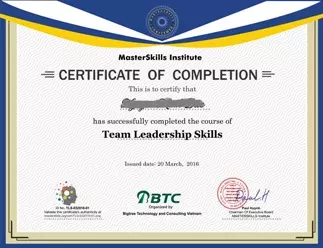
Course Completion Certificate
Participants who meet the attendance and practical requirements receive a Masterskills certificate of program completion.
8. Faculty
Masterskills instructors and experts bring practical management, consulting, and training experience relevant to the program content.

MBA. Nguyễn Hữu Thái Hòa
Strategy and digital transformation expert specializing in corporate strategy, digital transformation, business model innovation, and growth.

MBA. Paul Huỳnh
Leadership and capability development expert specializing in management skills, critical thinking, execution leadership, and coaching.
9. Masterskills Corporate Profile
An overview of Masterskills' training capabilities, areas of expertise, delivery methodology, and experience partnering with organizations.

Client Testimonials
View More Client Testimonials“The Enterprise Digital Transformation course offers practical content, workplace-relevant exercises, and clear facilitation. The instructor helps participants use appropriate tools, analyze situations, and develop solutions they can apply after the program.”
10. Selected Clients
Masterskills has delivered a number of corporate training programs with content closely related to this course topic.
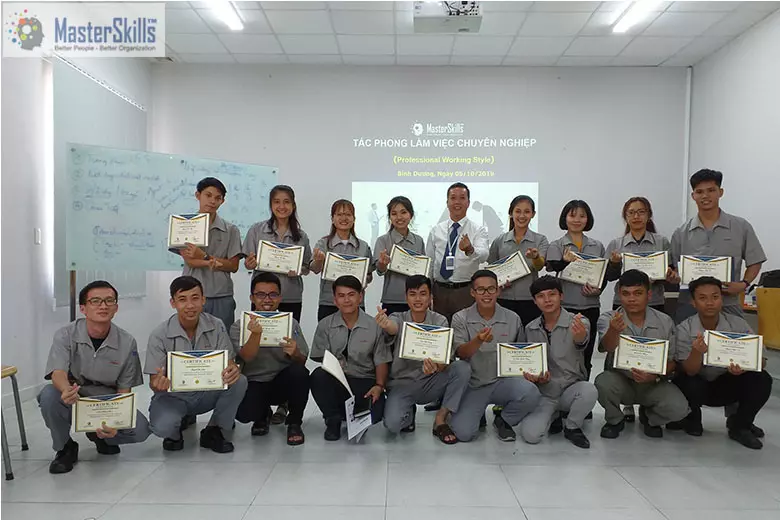 Professional Work PracticesDongil Rubber Belt Vietnam – Ho Chi Minh City
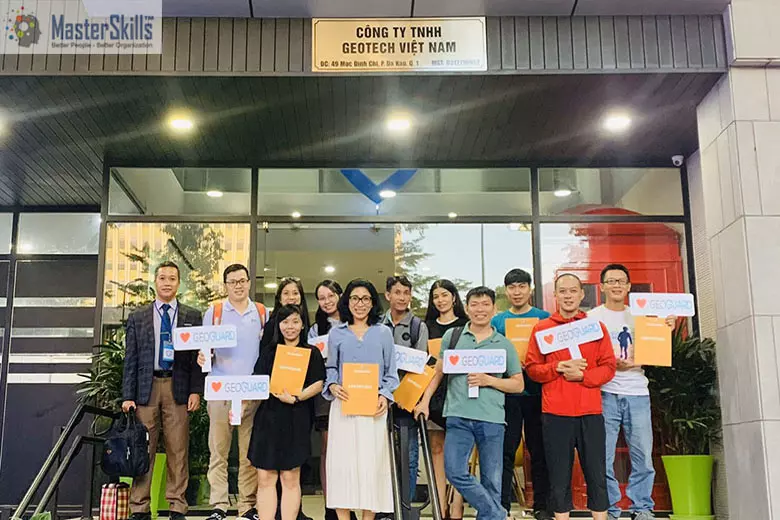 Professional Management SkillsGeoTech Vietnam – Ho Chi Minh City
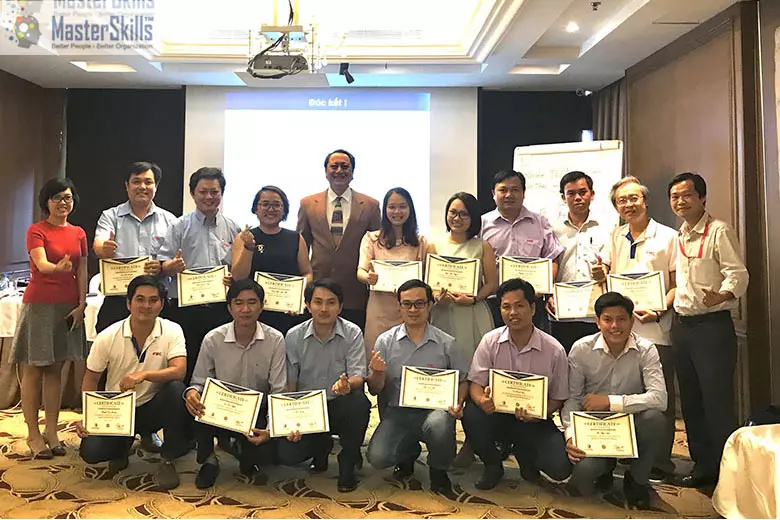 Professional Sales Team SupervisionFMC Vietnam – Ho Chi Minh City
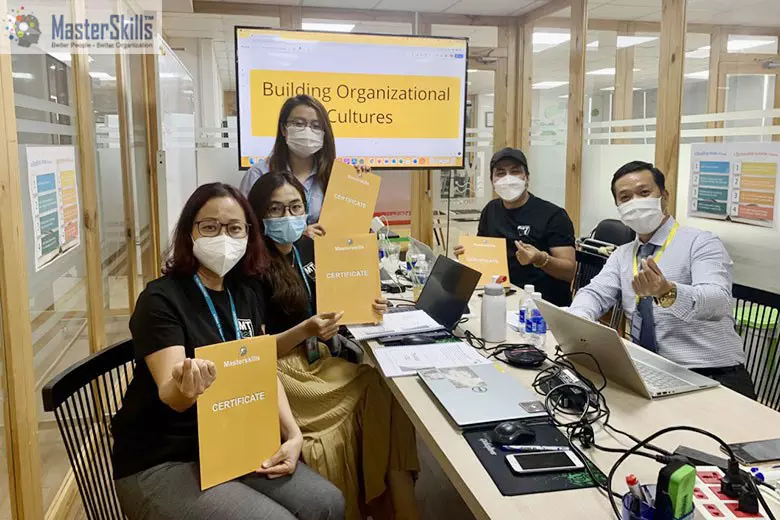 Building Corporate CultureMTI Technology Vietnam - Ho Chi Minh City
.webp) Strategic Thinking SkillsToyotsu Safety & Automotive Components Vietnam - Binh Duong Province
Strategic Thinking SkillsToyotsu Safety & Automotive Components Vietnam - Binh Duong Province
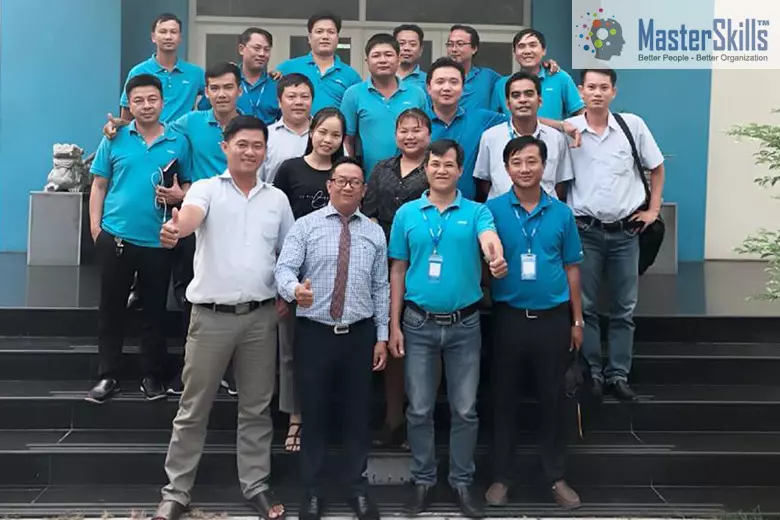 Professional Selling SkillsPilmico Vietnam Feed Joint Stock Company - Dong Thap
.webp) Professional Production ManagementGoldCoin FeedMill Long An
Professional Production ManagementGoldCoin FeedMill Long An
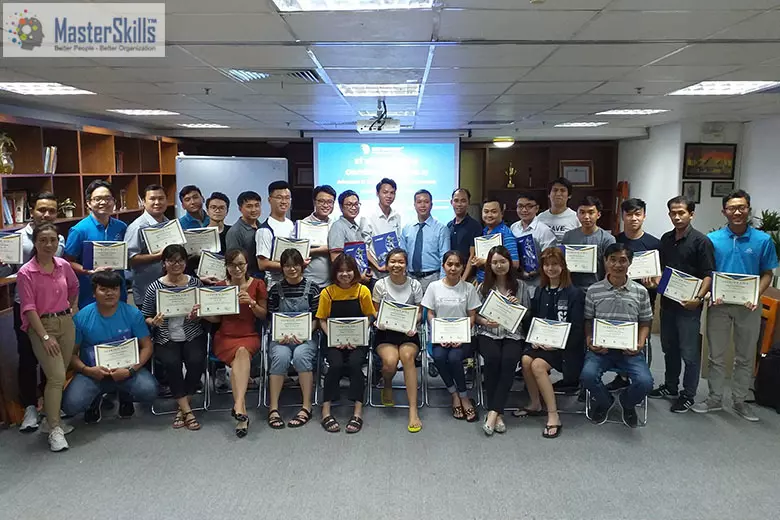 Professional Helpdesk Support SkillsCMC Saigon – Ho Chi Minh City
Related Courses

Business Strategy LeadershipDevelop business strategy leadership capability through practical scenarios.

Business LeadershipDevelop business leadership capability through practical scenarios.

Leadership MindsetDevelop a leadership mindset through practical scenarios.

Leadership Through Powerful QuestionsDevelop question-led leadership capability through practical scenarios.

Peer Leadership SkillsDevelop peer leadership skills through practical scenarios.

Emotional Intelligence for LeadersDevelop leadership emotional intelligence through practical scenarios.
Ready to advance enterprise digital transformation across your team?
Masterskills experts are ready to advise you on an Enterprise Digital Transformation program aligned with your organization's objectives.