
Copyrighted The MaterialsStandardized content updated according to course objectives.



Course
Building Habits Through Behavioral Systems
Building Habits Through Behavioral Systems
Apply behavioral design principles to convert goals into small, easy-to-start, trackable and sustainable work habits.
Table of Contents
1. The Introduction
Many improvement goals fail not because of a lack of determination, but because the required behaviors are unclear, the environment does not support them and there is no feedback mechanism. Sustainable habits need to be designed as small steps linked to a specific context.
The course helps learners analyze habit loops, identify cues and rewards, reduce friction for desired behaviors and increase friction for undesired behaviors. The content supports both personal productivity and team behavior change.
The “Building Habits Through Behavioral Systems” program can be applied to productivity, safety, quality, sales, service or any team behaviors that need to be sustained consistently.
2. Training Objectives
- Explain how habits are formed, sustained and interrupted.
- Convert broad goals into small, specific and observable behaviors.
- Design cues, environments and rewards that support desired habits.
- Apply micro-habits, habit stacking and friction management principles.
- Build mechanisms for tracking, feedback, restarting and reinforcing team habits.
3. Target Participants
- Managers and team leadersWant to form consistent behaviors within their teams.
- L&D, HRBP and organizational development professionalsDesign behavior-change activities after training.
- Operations, quality, safety and improvement staffNeed to sustain important work habits.
- Individuals seeking productivity and discipline improvementNeed a behavioral system rather than relying only on motivation.
4. The Content
The content guides learners from habit mechanisms to existing habit analysis, small behavior design, environmental cues, progress tracking and scaling individual habits into team culture.
PART 01 Foundations of Habits and Behavioral Systems
- Concepts of habits in the workplace.
- The role of habits in personal performance.
- Differences between goals and behavioral systems.
- The cue-action-reward loop.
- Environmental impact on behavior choices.
- Models of sustainable behavior change.
- Case: strong determination but quick abandonment.
- Practice identifying current habits.
PART 02 Analyzing Current Habits and Barriers
- List habits that support or block results.
- Identify cues that trigger old behaviors.
- Determine hidden benefits behind bad habits.
- Analyze moments when discipline is easily lost.
- Observe emotions before and after behavior.
- Map behaviors across a workday.
- Example of procrastination before difficult tasks.
- Practice analyzing habit loops.
PART 03 Designing New Habits That Are Easy to Start
- Choose a small and clear behavior.
- Connect the new habit to an existing schedule.
- Design a starting step under two minutes.
- Make the desired behavior easier to do.
- Use small commitments to build momentum.
- Apply the when-where-what formula.
- Case: big goals that are difficult to sustain.
- Practice writing a micro-habit plan.
PART 04 Designing Supportive Environments and Cues
- Arrange the environment to reduce wrong choices.
- Place reminders at the point of action.
- Remove common sources of distraction.
- Prepare tools before starting.
- Create friction for undesired behavior.
- Design workspaces that support focus.
- Case: digital environments causing distraction.
- Practice improving the behavioral environment.
PART 05 Maintaining Motivation and Tracking Progress
- Track behavior chains with a simple board.
- Recognize small progress to sustain motivation.
- Use appropriate rewards after action.
- Handle missed days without losing momentum.
- Find an accountability partner and regular feedback.
- Adjust habits according to real context.
- Case: losing rhythm after a busy week.
- Practice creating a habit tracking board.
PART 06 Turning Individual Habits into Team Culture
- Select shared habits that support team goals.
- Establish daily working rituals.
- Leaders model the new behavior.
- Recognize positive behaviors in the team.
- Standardize habits into small processes.
- Measure the impact of habits on results.
- Case: team agreement without sustained practice.
- Practice building a behavioral system plan.
5. Training Methodology
The class is organized in small groups with a learner-centered approach. The facilitator delivers concise inputs, then leads discussion, scenario practice, feedback and debriefing so learners can convert knowledge into applicable workplace behaviors.
Group Discussion
Individual Exercises
Group Presentation
Brainstorming Techniques
Facilitator-Guided Practice
Experiential Project
In-Class Activities
Role-Play Activities
Classroom Presentation
6. Class Information
| Expected Start Date | Schedule | Time | Location | Tuition Fee | Register |
|---|---|---|---|---|---|
| To be updated | Saturday – Sunday | 08:30 – 16:30 | Ho Chi Minh City | 4,500,000 VND | Register |
| To be updated | Monday – Thursday | 18:00 – 21:30 | Hanoi | 4,500,000 VND | Register |
10% discount for registration at least 15 days in advance, groups of three or more learners, or loyal clients.Reserve a Seat
Note: The schedule above is tentative and may be adjusted depending on registration numbers, class organization conditions and the actual training plan. Masterskills will confirm the official schedule with learners before the start date.
- Duration: 2 days / 4 sessions; maximum 35 learners per class.
- Ho Chi Minh City: 224 Dien Bien Phu Street, Ban Co Ward, Ho Chi Minh City.
- Hanoi: 51 Le Dai Hanh Street, Hai Ba Trung Ward, Hanoi.
- In-house corporate training: Delivered at the client’s office or factory; quotation depends on design scope, location and class size.
- Additional costs: Trainer travel and accommodation costs are determined according to the delivery location, if applicable.
7. Learning Materials & Certification
Learners receive copyrighted course materials developed by Masterskills, practice handouts, self-assessment forms and reference materials closely aligned with business situations.
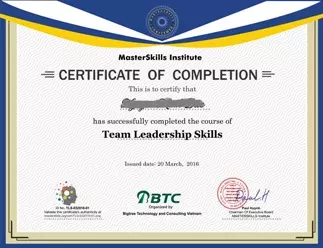
Certificate of Completion
Learners who meet attendance and practice requirements receive a Masterskills certificate of completion.
8. Faculty Team
Masterskills faculty and experts have practical experience in management, consulting and training in fields aligned with the program content.

Dr. Thai Tri Dung
Human resource management and behavioral psychology expert. Leadership, management psychology, negotiation, culture and organizational behavior.

MBA. Paul Huỳnh
Leadership and capability development expert. Management skills, critical thinking, execution leadership and coaching.
9. Masterskills Profile
Masterskills’ training capabilities, areas of expertise, delivery methodology and experience partnering with enterprises.
Client Testimonials
View More Client Testimonials“The Building Habits Through Behavioral Systems course provides practical content, workplace-relevant activities and clear facilitation. The facilitator helps learners use appropriate tools, analyze situations and develop concrete application plans after the course.”
10. Representative Clients
Selected practical training programs with content related to this course topic have been delivered by Masterskills for corporate clients.
.webp) The 7 Habits of Highly Effective PeopleCompany MobifonePlus - Ho Chi Minh City
The 7 Habits of Highly Effective PeopleCompany MobifonePlus - Ho Chi Minh City
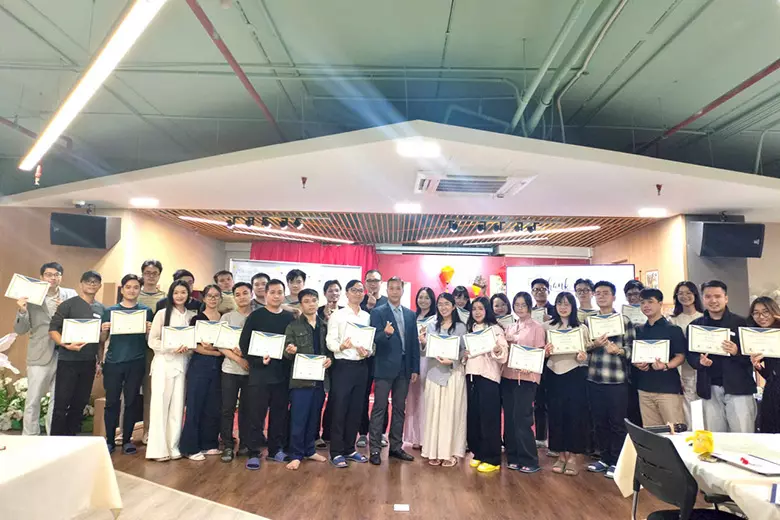 The 7 Habits of Highly Effective PeopleCompany IEC Games – Ho Chi Minh City
.webp) Team Spirit and TeamworkCompany Ant Farm VietNam – Ho Chi Minh City
Team Spirit and TeamworkCompany Ant Farm VietNam – Ho Chi Minh City
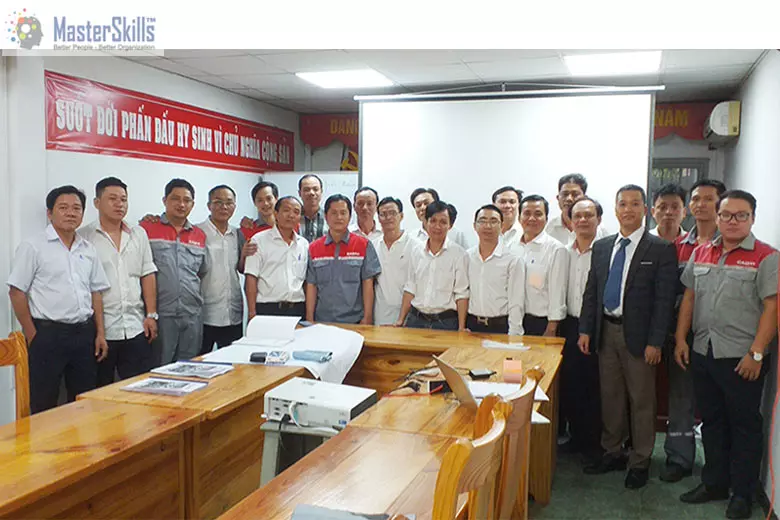 Teamwork SkillsCompany Cadivi Mien Dong Cable – Ho Chi Minh City
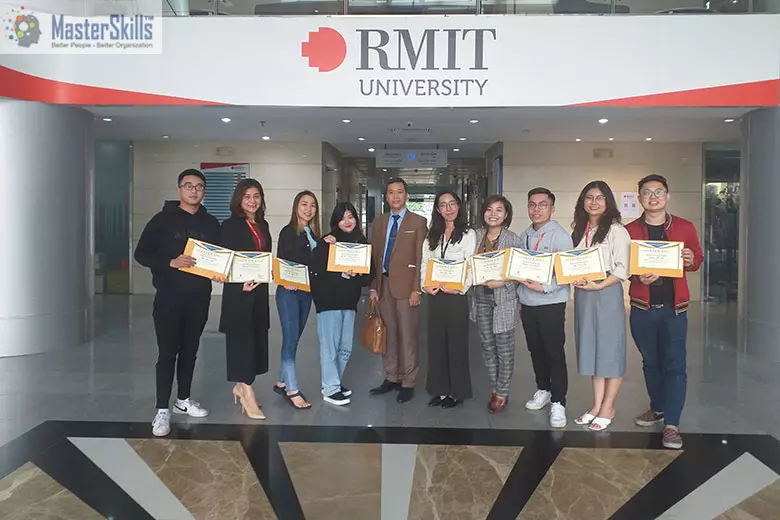 Customer Psychology and BehaviorUniversity RMIT – Ho Chi Minh City
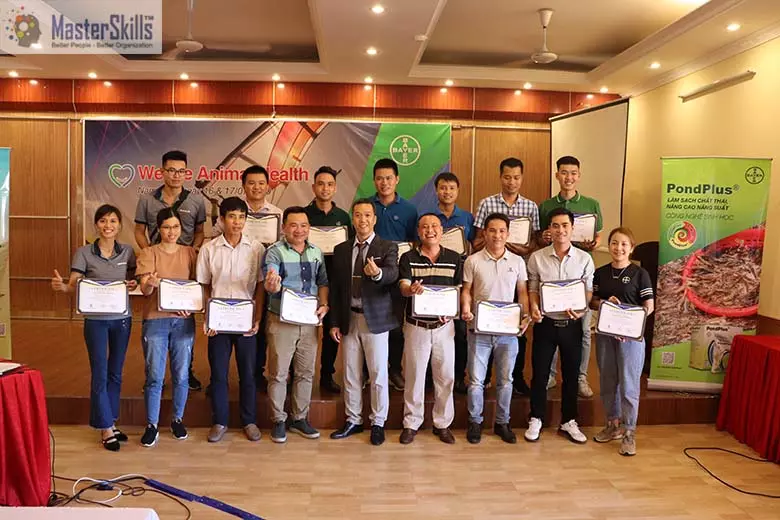 Customer Psychology and BehaviorCompany Bayer VietNam – Nam Dinh
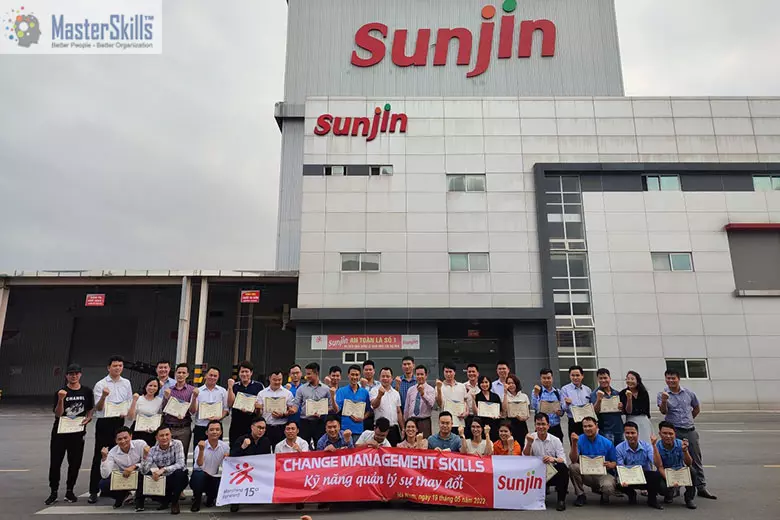 Change ManagementCompany Sunjin ViNa – Ha Nam
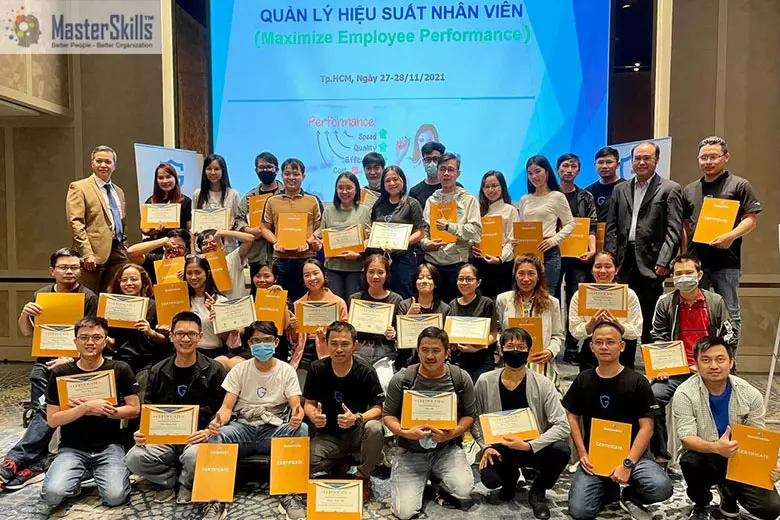 Employee Performance ManagementCompany Ltd. G-Comply VietNam – Ho Chi Minh City
Related Courses
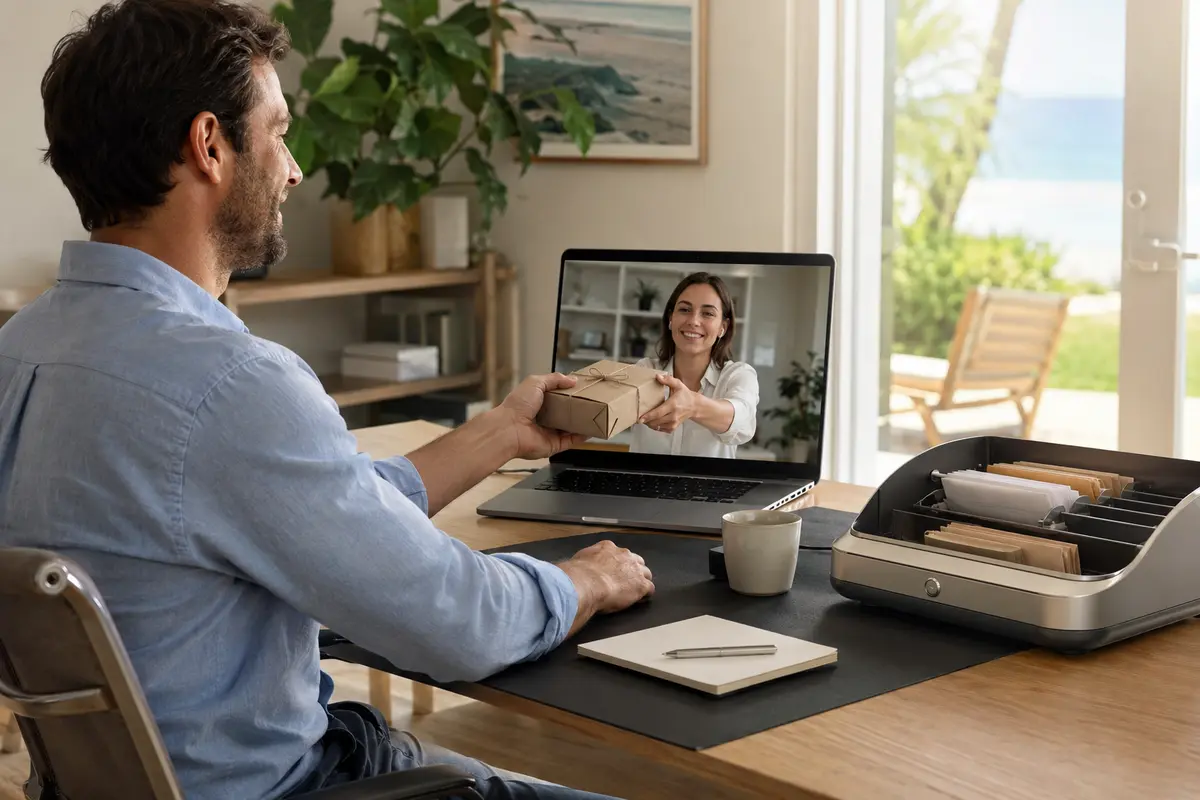
Time Optimization Through Automation and DelegationPractice practical tools and improve workplace effectiveness.
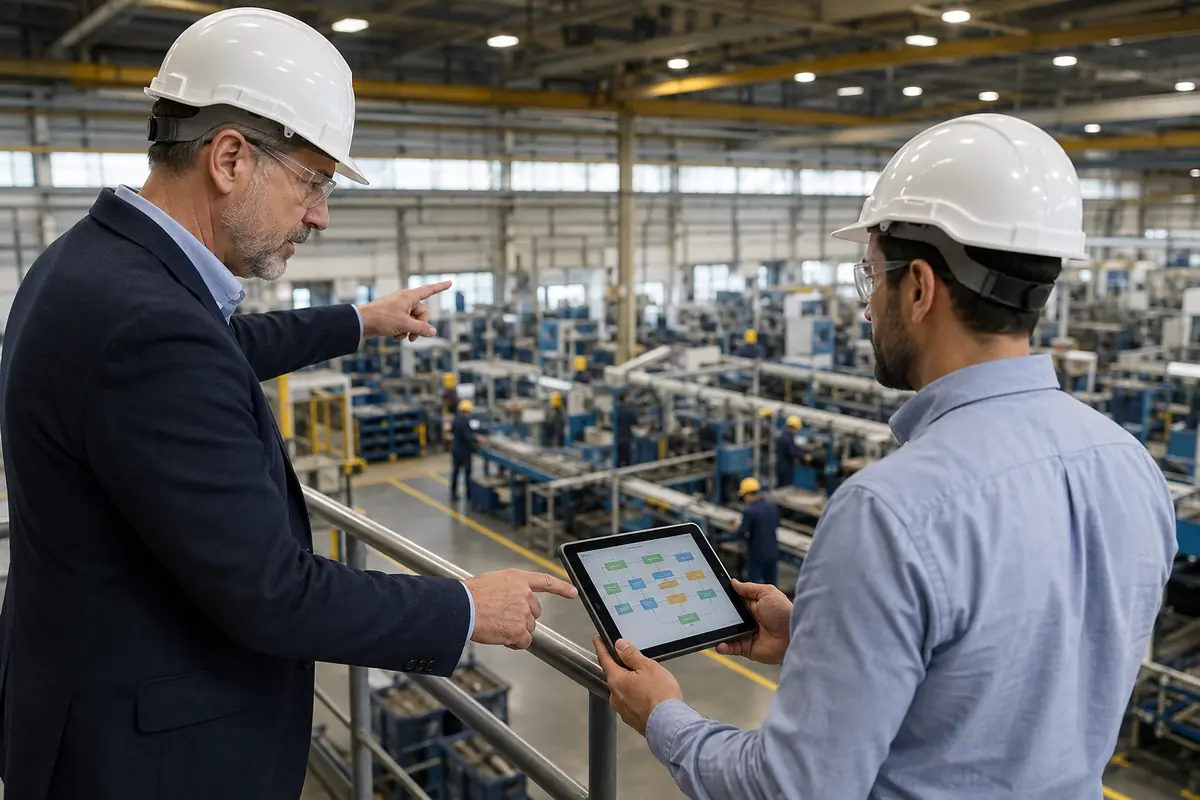
Team Productivity ManagementDevelop team productivity management capability through real workplace scenarios.

Feedback and Performance Management CapabilityPractice practical tools and improve workplace effectiveness.

Building a Culture of Ownership, Results and DisciplinePractice practical tools and improve workplace effectiveness.
Becoming an Effective Meeting FacilitatorPractice practical tools and improve workplace effectiveness.

Work Performance OptimizationDevelop work performance optimization capability through real workplace scenarios.
Ready to develop Building Habits Through Behavioral Systems capability for your team?
Masterskills experts are ready to advise on a Building Habits Through Behavioral Systems program aligned with your business objectives.