
Copyrighted Course MaterialsStandardized content updated according to course objectives.





Course
Managing Through Goals and Feedback
Managing Through Goals and Feedback
This program helps participants develop practical capability in managing through goals and feedback through structured concepts, business cases, guided practice and workplace application planning.
Table of Contents
- Course Overview
- Learning Objectives
- Target Participants
- Course Content
- Training Methodology
- Class Information
- Materials & Certification
- Training Faculty
- Masterskills Capability Profile
- Representative Clients
1. Course Overview
Managing Through Goals and Feedback creates value when managers understand the business context, focus on the right priorities and translate ideas into disciplined action.
This program provides a practical learning journey for managing through goals and feedback, combining concise frameworks, business cases and guided exercises that are directly connected to workplace realities.
Participants practice diagnosing situations, using relevant tools, discussing cases and preparing an action plan that can be applied after the course.
2. Learning Objectives
- Understand the core concepts, business relevance and practical value of managing through goals and feedback.
- Analyze current practices, challenges and improvement opportunities in the workplace.
- Apply structured tools to clarify priorities, diagnose issues and support better decisions.
- Translate learning points into specific actions, responsibilities and expected outcomes.
- Communicate ideas clearly and align stakeholders around shared priorities.
- Develop an implementation plan suitable for the organization’s context and operating rhythm.
3. Target Participants
- Business owners, executives and senior managersNeed to strengthen strategic direction and build consistent implementation capability.
- Functional managers and team leadersResponsible for translating the topic into team practices, routines and results.
- HR, L&D and organizational development professionalsNeed to design learning, communication and capability development initiatives.
- Project teams and cross-functional membersParticipate in implementation, coordination and continuous improvement activities.
4. Course Content
PART 01 Foundation and Business Context
- Clarify the core concepts and business context of Managing Through Goals and Feedback.
- Identify why this capability matters to sustainable organizational performance.
- Distinguish common misconceptions from practical application in the workplace.
- Connect the topic with team goals, customer value and execution discipline.
- Review the key components of an effective working framework.
- Analyze typical challenges faced by managers and team members.
- Discuss a practical business case related to managing through goals and feedback.
- Assess the current situation and define improvement priorities.
PART 02 Diagnosis and Opportunity Analysis
- Analyze internal and external factors that influence current performance.
- Use structured diagnostic tools to identify root causes and constraints.
- Map stakeholders, processes, data and decision points relevant to the topic.
- Recognize risks, opportunities and areas of misalignment.
- Collect evidence through observation, discussion and business information.
- Prioritize issues based on impact, urgency and feasibility.
- Review examples of common implementation gaps.
- Practice building a diagnosis matrix for workplace application.
PART 03 Tools and Practical Application
- Apply practical frameworks to define objectives and expected outcomes.
- Translate broad direction into clear actions, responsibilities and standards.
- Use appropriate tools to structure analysis and decision-making.
- Align individual contribution with team and organizational priorities.
- Clarify communication requirements and success criteria.
- Practice selected techniques through guided exercises.
- Review case examples and facilitator feedback.
- Develop a draft action approach for a real work situation.
PART 04 Communication and Stakeholder Alignment
- Strengthen collaboration, communication and stakeholder alignment.
- Facilitate constructive discussion when priorities or perspectives differ.
- Use questioning, listening and feedback techniques to improve understanding.
- Manage resistance, uncertainty and competing expectations.
- Build trust and accountability through clear agreements.
- Apply problem-solving discipline to practical workplace situations.
- Practice handling a challenging conversation or implementation scenario.
- Identify communication habits that support sustained execution.
PART 05 Implementation Planning
- Convert learning points into an implementation plan.
- Define milestones, owners, resources and follow-up routines.
- Select indicators to monitor progress and learning transfer.
- Anticipate barriers and prepare mitigation actions.
- Create a rhythm for review, coaching and continuous adjustment.
- Integrate the new approach into existing management practices.
- Receive feedback on the draft plan from peers and the facilitator.
- Finalize personal and team commitments for post-course application.
PART 06 Workplace Transfer and Continuous Improvement
- Consolidate key lessons and workplace application principles.
- Link the topic with leadership, management and organizational culture.
- Identify the behaviors required to sustain improvement after training.
- Design simple routines for follow-up, reflection and knowledge sharing.
- Develop a personal development roadmap aligned with role expectations.
- Plan how to communicate learning outcomes to managers and colleagues.
- Review assessment results and lessons learned during the program.
- Commit to measurable actions for continuous improvement.
5. Training Methodology
The program uses a learner-centered methodology with concise facilitator input, case discussion, individual reflection, group exercises and guided workplace application. Participants work with practical situations so that learning can be transferred into daily management practice.
Group Discussion
Individual Exercises
Group Presentations
Brainstorming Techniques
Guided Practice with the Facilitator
Experiential Projects
In-Class Activities
Role-Play Activities
Class Presentations
6. Class Information
| Tentative Opening Date | Schedule | Time | Location | Tuition Fee | Register |
|---|---|---|---|---|---|
| Updating | Saturday – Sunday | 08:30 – 16:30 | Ho Chi Minh City | VND 4,500,000 | Register |
| Updating | Monday – Thursday | 18:00 – 21:30 | Hanoi | VND 4,500,000 | Register |
10% incentive: register 15 days in advance, enroll as a group of three or more, or qualify as a loyal client.Reserve a Seat
Note: The opening schedule is tentative and may be adjusted depending on the number of registered participants, venue conditions and the actual implementation plan.
- Duration: 2 days / 4 sessions; maximum 35 participants per class.
- Ho Chi Minh City: 224 Dien Bien Phu Street, Ban Co Ward, Ho Chi Minh City.
- Hanoi: 51 Le Dai Hanh Street, Hai Ba Trung Ward, Hanoi.
- Corporate In-House Training: Delivered at the client’s office or factory; pricing is based on design scope, location and class size.
- Additional expenses: Facilitator travel and accommodation are determined by the implementation location, if applicable.
7. Learning Materials & Certification
Participants receive copyrighted course materials developed by Masterskills, practical handouts, self-assessment templates and reference documents that support workplace application after the program.
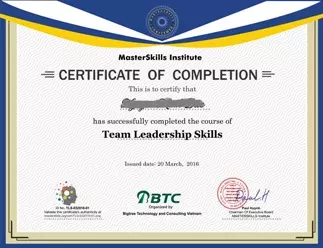
Certificate of Completion
Participants who meet attendance and practice requirements receive a Masterskills certificate of program completion.
8. Training Faculty
Masterskills facilitators and experts have practical management, consulting and training experience in fields aligned with the program content.

MBA. Paul Huỳnh
Leadership and capability development expert. Specializes in management skills, critical thinking, execution leadership and coaching.

MBA. Đào Hoài Bắc
Human resource management and KPI–BSC expert. Specializes in performance management, KPI, BSC, corporate culture and management systems.
9. Masterskills Capability Profile
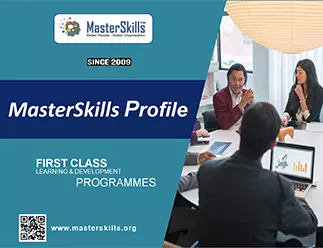
Masterskills training capabilities, areas of expertise, delivery methodology and experience partnering with organizations.
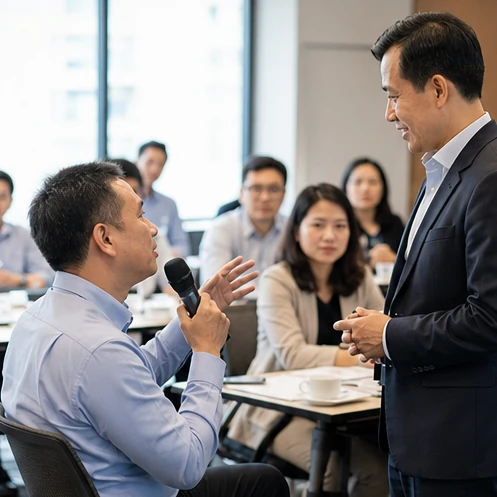
Client Testimonials
View More Client Testimonials“The Managing Through Goals and Feedback course provides practical content, workplace-oriented exercises and clear facilitation. Participants can apply relevant tools, analyze cases and build an action plan for post-program implementation.”
10. Representative Clients
Selected practical training programs related to this course topic have been delivered by Masterskills for corporate clients.
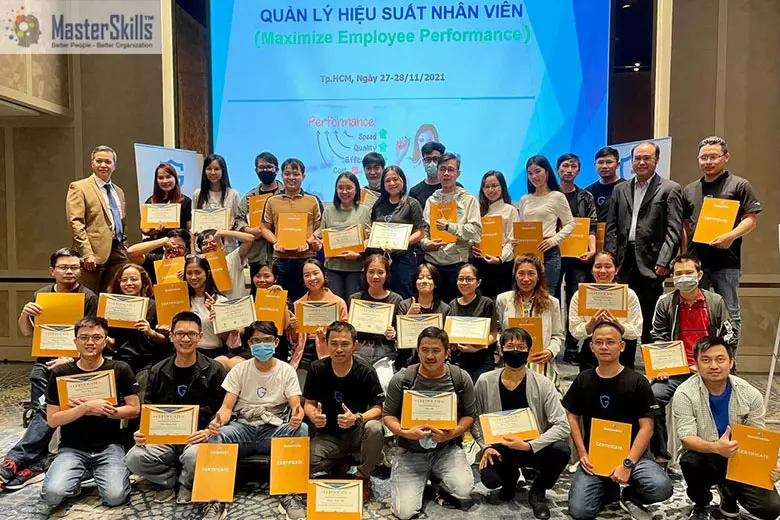 Employee Performance ManagementG-Comply Vietnam Co., Ltd. – Ho Chi Minh City
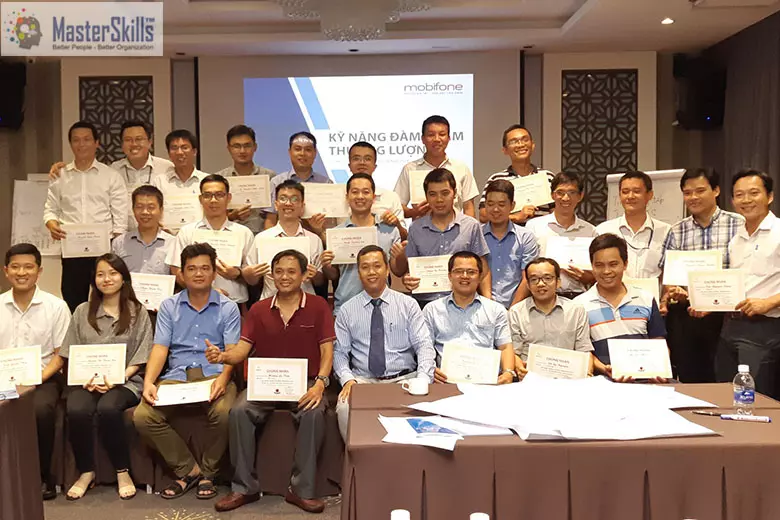 Persuasive Negotiation SkillsMobiFone Telecommunications Center – Ho Chi Minh City
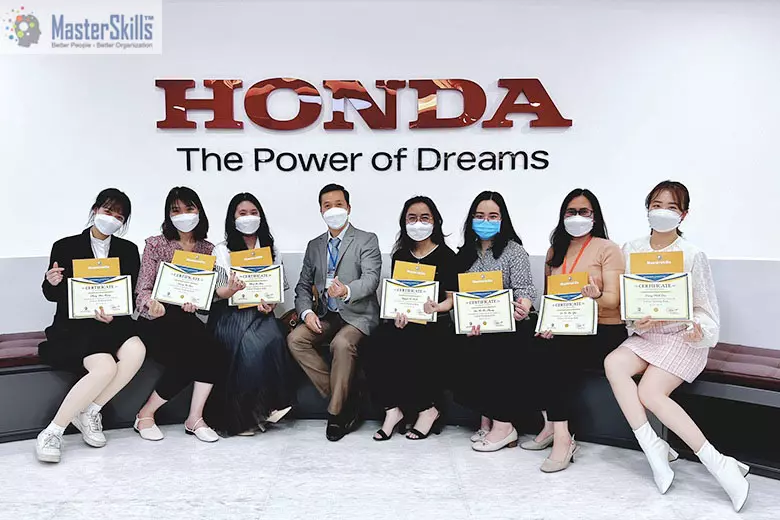 Critical Thinking SkillsHonda Vietnam Company – Ho Chi Minh City
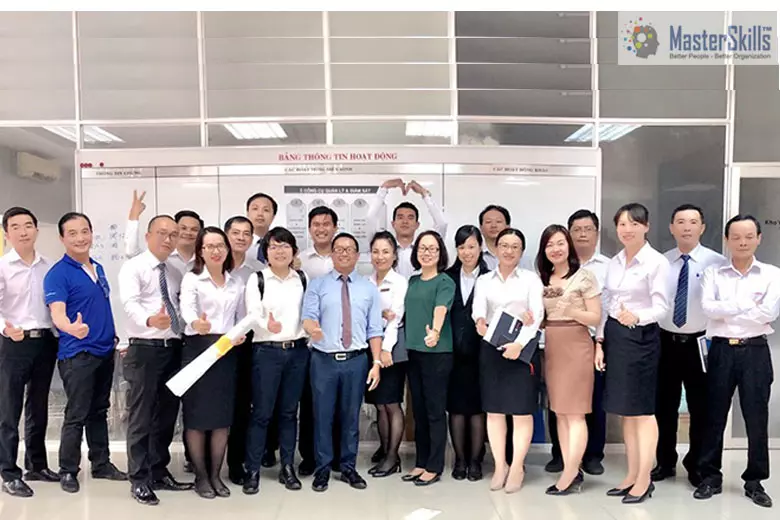 Sales Staff Supervision SkillsToyota Ben Thanh Company – Ho Chi Minh City
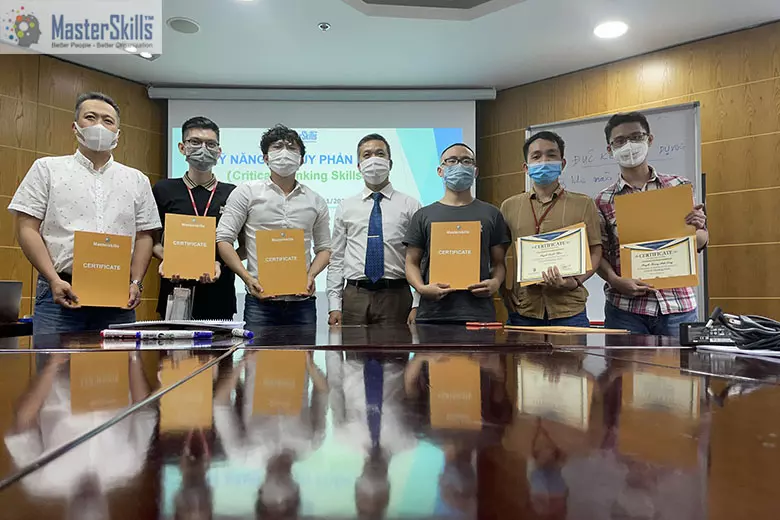 Critical Thinking SkillsAjinomoto Vietnam Company – Ho Chi Minh City
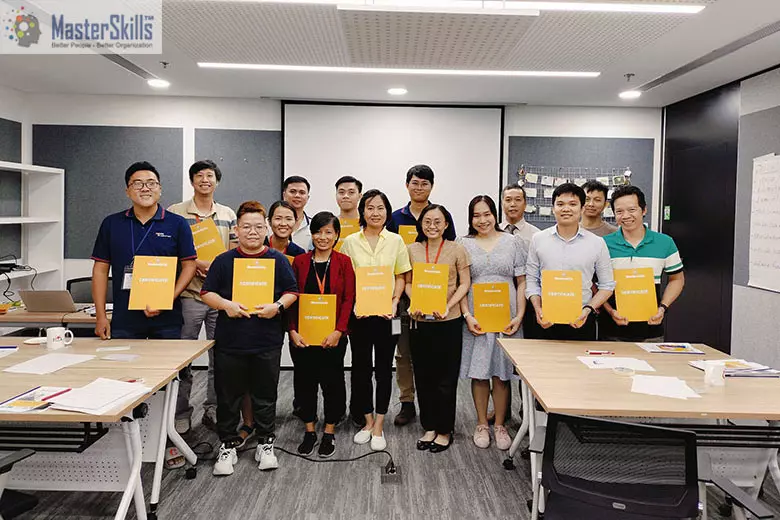 Listening and Questioning SkillsELCA Vietnam IT Company – Ho Chi Minh City
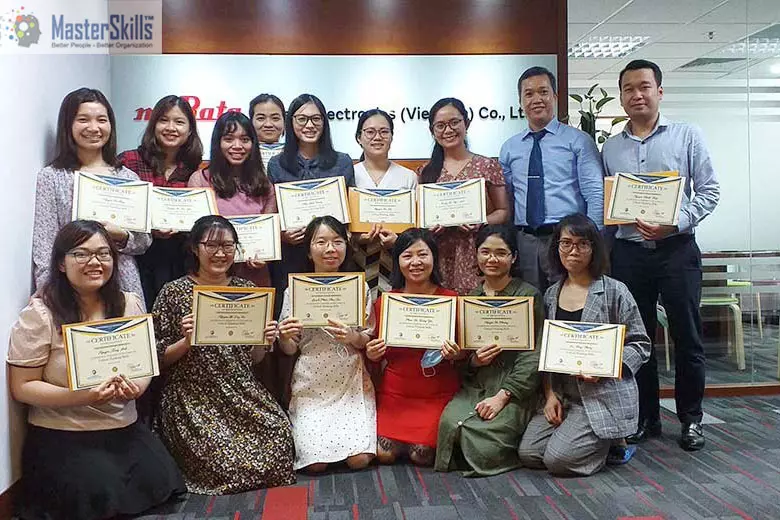 Critical Thinking SkillsMurata Electronics Vietnam Company – Ho Chi Minh City
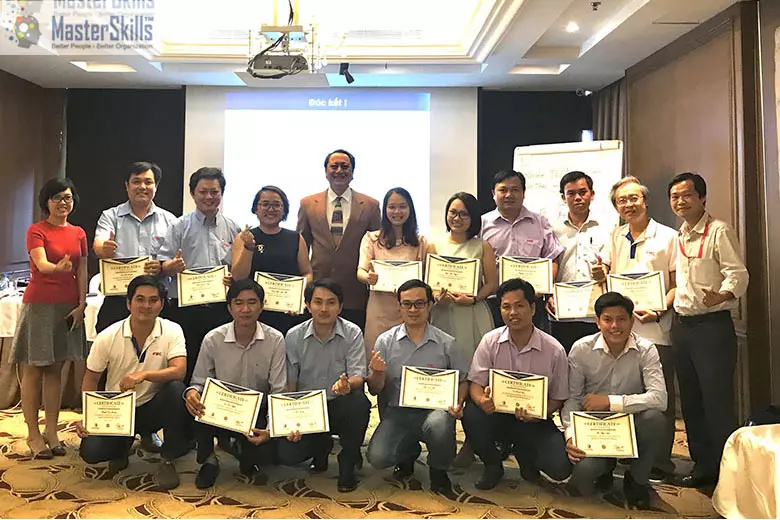 Professional Sales Team SupervisionFMC Vietnam Company – Ho Chi Minh City
Related Courses

Employee Goal SettingBuild capability in employee goal setting through practical business scenarios.

Feedback Capability and Performance ManagementPractice practical tools and improve workplace performance.

Effective Positive Feedback SkillsBuild capability in effective positive feedback skills through practical business scenarios.

Developing and Executing Strategic PlansPractice practical tools and improve workplace performance.
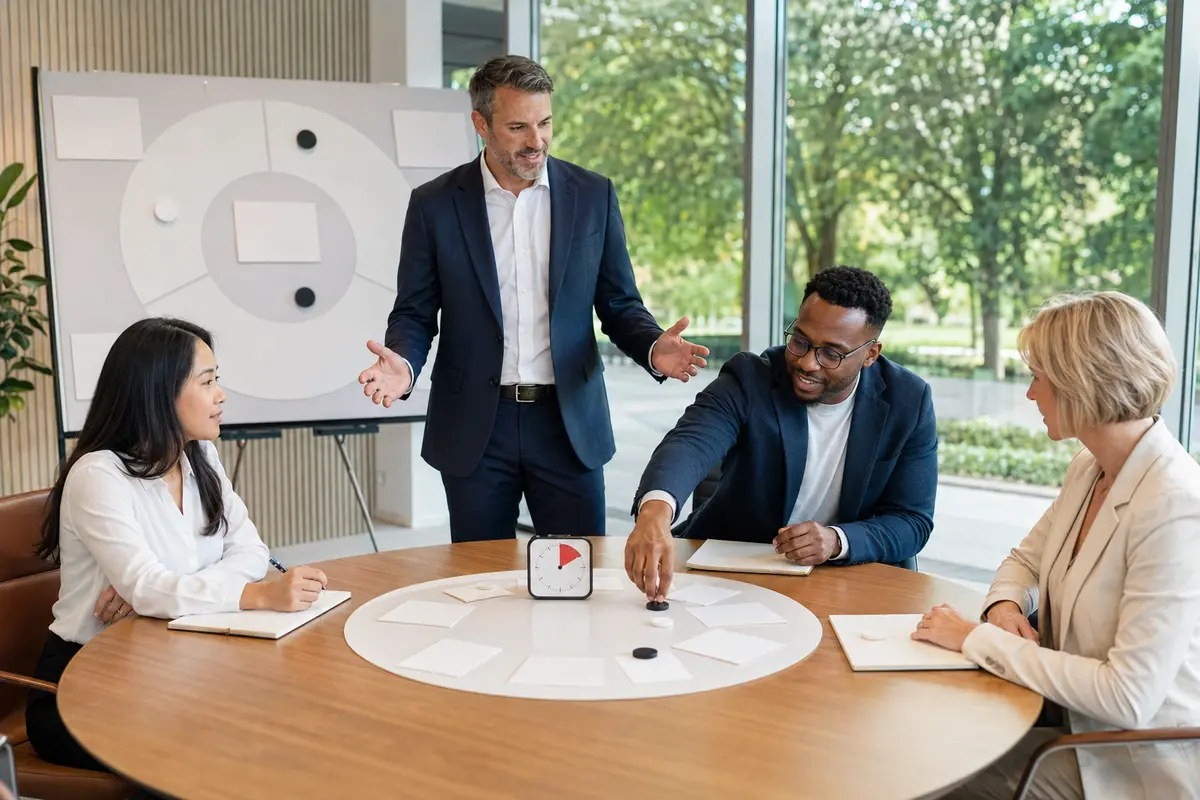
Becoming a Meeting Facilitation ExpertPractice practical tools and improve workplace performance.

Optimizing Work PerformanceBuild capability in optimizing work performance through practical business scenarios.
Ready to develop managing through goals and feedback capability for your team?
Masterskills consultants are ready to advise on a Managing Through Goals and Feedback program aligned with your business objectives.