
Proprietary Course MaterialsStandardized content updated in line with the course objectives.








Course
Market Forecast Analysis and Business Planning
Forecast Analysis and Business Planning
Enable participants to analyze market signals, build forecast scenarios, and convert analytical findings into actionable business plans.
Table of Contents
1. Course Overview
Business plans quickly lose feasibility when they are based on subjective assumptions, poorly selected data, or objectives that fail to reflect market volatility. Organizations need a process that connects data, forecasting, prioritization, and resource allocation.
The course “Market Forecast Analysis and Business Planning” guides participants in collecting and interpreting data, applying analytical models, building demand scenarios, and translating forecasts into objectives, targets, budgets, and action plans.
Through market-analysis and one-page planning exercises, participants practice testing assumptions, aligning objectives across functions, and establishing monitoring mechanisms to update plans as conditions change.
2. Learning Objectives
- Define the analysis objectives and select appropriate market data sources.
- Use analytical models to identify trends, opportunities, risks, and competitive pressures.
- Develop short- and medium-term forecasting assumptions and scenarios based on available data.
- Translate forecast results into objectives, targets, and action priorities.
- Develop a business plan with clear milestones, resources, budgets, and responsibilities.
- Monitor variances between forecasts and actual results to adjust plans promptly.
3. Target Participants
- Business Leaders and ManagersThose who use forecasts to set priorities and allocate resources.
- Functional Directors and Department HeadsThose responsible for annual operating plans within their functions.
- Sales, Marketing, and Market Development ProfessionalsThose who collect data, forecast demand, and develop revenue plans.
- Planning, Finance, and Analysis SpecialistsThose supporting scenario development and monitoring plan execution.
4. Course Outline
PART 01Market-Oriented Thinking and the Role of Planning
- The nature of markets in a competitive environment.
- The role of forecasting in business decisions.
- The relationship between data and planning.
- Levels of planning within an organization.
- Systems thinking when analyzing change.
- Common biases in market assessment.
- Scenario: a flawed plan based on subjective forecasting.
- Practice: identify the factors driving demand.
PART 02Collecting Data and Interpreting Market Signals
- Primary and secondary data sources.
- How to select data aligned with the analysis objective.
- Techniques for classifying market data.
- Methods for detecting growth signals.
- Warning signs of declining purchasing power.
- Example: interpreting industry and competitor reports.
- Exercise: filter useful data based on the objective.
- Discussion: when data creates noise.
PART 03Market Analysis Using Practical Models
- Model: SWOT analysis for a competitive context.
- Model: PESTEL analysis of macro-environmental impacts.
- Model: Five Forces analysis of industry pressures.
- Technique: behavioral customer segmentation.
- Technique: identifying shifts in buying behavior.
- Scenario: a product losing market appeal.
- Practice: conduct a rapid analysis of a target market.
- Review: select the right model for each context.
PART 04Demand Forecasting and Scenario Development
- Principles of short- and medium-term forecasting.
- Qualitative methods for new markets.
- Quantitative methods using historical data.
- The process for developing and validating assumptions.
- Scenarios: growth, stability, and decline.
- How to manage critical uncertainties.
- Example: seasonal sales forecasting.
- Exercise: develop three scenarios for the next quarter.
PART 05Business Planning Based on Forecast Results
- Convert forecasts into actionable objectives.
- Set priorities based on available resources.
- Establish revenue and market-share targets.
- Allocate budgets according to priorities.
- Develop implementation and control milestones.
- Coordinate functions within an integrated plan.
- Scenario: a misaligned plan caused by conflicting objectives.
- Practice: write a one-page planning framework.
PART 06Monitoring, Adjustment, and Better Decision-Making
- Indicators to monitor after implementation.
- How to compare actual results with forecasts.
- A process for adjusting plans as conditions change.
- Mechanisms for review meetings and rapid updates.
- Techniques for challenging initial assumptions.
- Lessons from successful and unsuccessful plans.
- Case study: mid-year plan adjustment.
- Practice: design an action-tracking dashboard.
5. Training Methodology
Classes are delivered in small, learner-centered groups. Instructors provide concise input, then facilitate discussions, scenario-based practice, feedback, and reflection so participants can translate knowledge into practical workplace behaviors.
Group Discussions
Individual Exercises
Group Presentations
Brainstorming Techniques
Guided Practice with the Instructor
Experiential Projects
In-Class Activities
Role-Playing Activities
Class Presentations
6. Class Information
| Expected Start Date | Schedule | Class Hours | Location | Tuition Fee | Register |
|---|---|---|---|---|---|
| To Be Announced | Saturday – Sunday | 08:30 – 16:30 | Ho Chi Minh City | VND 4,500,000 | Register |
| To Be Announced | Monday – Thursday | 18:00 – 21:30 | Hanoi | VND 4,500,000 | Register |
10% discount for registration at least 15 days in advance, groups of three or more participants, or returning clients.Reserve a Seat
Note: The schedule above is provisional and may be adjusted based on enrollment, class arrangements, and the actual training plan. Masterskills will confirm the official schedule with participants before the course begins.
- Duration: 2 days / 4 sessions; maximum 35 participants per class.
- Ho Chi Minh City: 224 Dien Bien Phu Street, Ban Co Ward, Ho Chi Minh City.
- Hanoi: 51 Le Dai Hanh Street, Hai Ba Trung Ward, Hanoi.
- Corporate in-house training: Delivered at the client's office or factory; pricing depends on the design scope, location, and class size.
- Additional costs: Instructor travel and accommodation costs are determined by the delivery location, where applicable.
7. Learning Materials & Certification
Participants receive proprietary course materials developed by Masterskills, practical handouts, self-assessment forms, and reference materials aligned with real business situations.
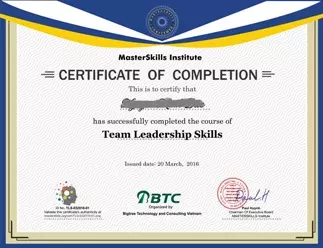
Course Completion Certificate
Participants who meet the attendance and practical requirements receive a Masterskills certificate of program completion.
8. Faculty
Masterskills instructors and experts bring practical management, consulting, and training experience relevant to the program content.

MBA. Nguyễn Duy Kha
Business strategy and market development expert specializing in sales strategy, distribution channels, commercial management, and execution leadership.

GS. Augustine Hà Tôn Vinh
Strategy consulting and international management expert specializing in development strategy, organizational restructuring, public-private investment, and project finance.
9. Masterskills Corporate Profile
An overview of Masterskills' training capabilities, areas of expertise, delivery methodology, and experience partnering with organizations.

Client Testimonials
View More Client Testimonials“The Market Forecast Analysis and Business Planning course offers practical content, workplace-relevant exercises, and clear facilitation. The instructor helps participants use appropriate tools, analyze situations, and develop solutions they can apply after the program.”
10. Selected Clients
Masterskills has delivered a number of corporate training programs with content closely related to this course topic.
.webp) Annual Operating Planning (AOP)Saigon 3 Garment Joint Stock Company – Ho Chi Minh City
Annual Operating Planning (AOP)Saigon 3 Garment Joint Stock Company – Ho Chi Minh City
.webp) Strategic Thinking SkillsToyotsu Safety & Automotive Components Vietnam - Binh Duong Province
Strategic Thinking SkillsToyotsu Safety & Automotive Components Vietnam - Binh Duong Province
 Critical Thinking SkillsHonda Vietnam – Ho Chi Minh City
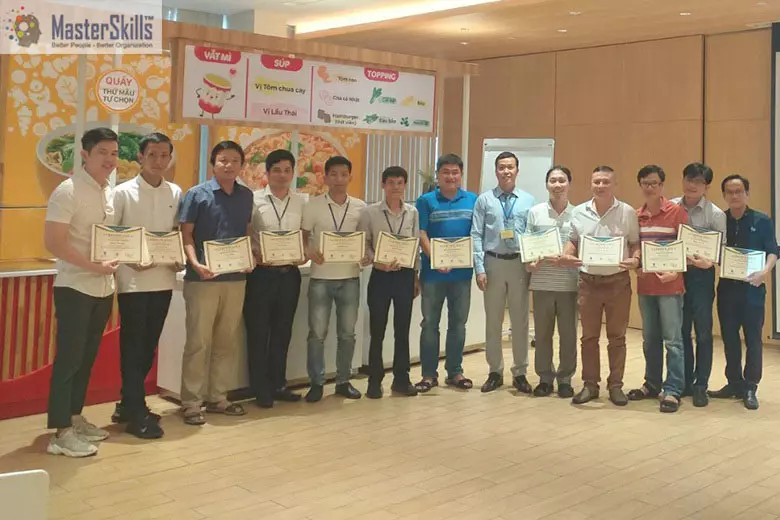 Risk Management & Information SecurityAcecook Vietnam – Ho Chi Minh City
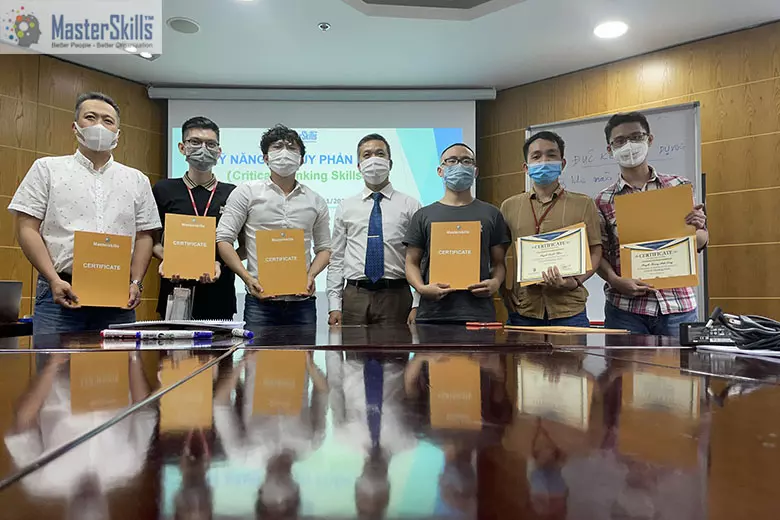 Critical Thinking SkillsAjinomoto Vietnam – Ho Chi Minh City
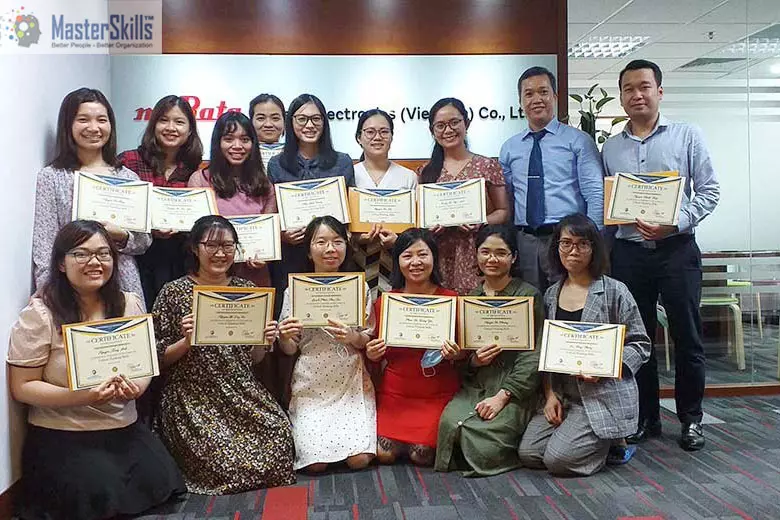 Critical Thinking SkillsMurata Electronics Vietnam – Ho Chi Minh City
.webp) Industrial Maintenance Management (TPM)ABB Vietnam – Bac Ninh
Industrial Maintenance Management (TPM)ABB Vietnam – Bac Ninh
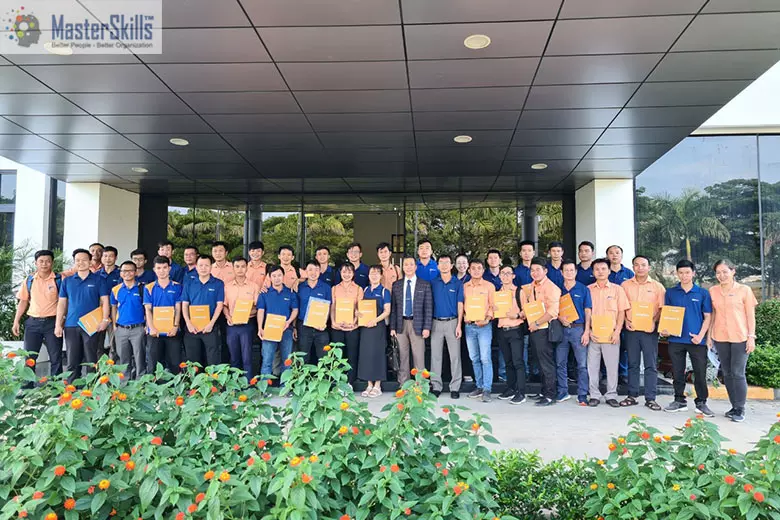 Positive ThinkingBehn Meyer Agricare Vietnam – Ho Chi Minh City
Related Courses

Business Management and Strategic LeadershipDevelop practical tools and improve workplace performance.

Goal Setting and PlanningDevelop goal-setting and planning capability through practical scenarios.

Planning and Work AssignmentDevelop planning and work-assignment capability through practical scenarios.

Effective Planning SkillsDevelop effective planning skills through practical scenarios.

Management by Objectives (MBO)Develop management-by-objectives capability through practical scenarios.
Annual Operating Planning (AOP)Develop annual operating planning capability through practical scenarios.
Ready to strengthen your team's market forecast analysis and business planning capability?
Masterskills experts are ready to advise you on a Market Forecast Analysis and Business Planning program aligned with your organization's objectives.