
Proprietary Course MaterialsStandardized content updated in line with the course objectives.



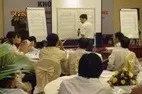

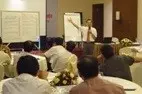
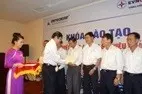

Course
ISO 9001:2015 Quality Management
ISO 9001:2015 Quality Management
Build a clear understanding of ISO 9001:2015 Quality Management, process-based management, risk-based thinking, and practical quality-system application.
Table of Contents
1. Course Overview
In a dynamic business environment, iso 9001:2015 quality management is essential for improving coordination, decision quality, and team performance. Without a structured approach, people may rely on habits, assumptions, or fragmented practices that reduce effectiveness at work.
The course “ISO 9001:2015 Quality Management” helps participants understand the core principles of iso 9001:2015 quality management, practice relevant tools, and apply the learning to real workplace situations. The program emphasizes practical thinking, structured methods, and behavioral application rather than theory alone.
Through discussions, exercises, and business scenarios, participants analyze current challenges, practice new approaches, and develop an action plan that can be applied immediately after the course.
2. Learning Objectives
- Explain the key concepts, principles, and business value of iso 9001:2015 quality management.
- Identify common workplace challenges related to iso 9001:2015 quality management and their root causes.
- Apply practical tools and structured methods to improve work effectiveness.
- Communicate, coordinate, and make decisions more effectively in relevant situations.
- Handle typical barriers, risks, or resistance during workplace application.
- Build an individual action plan to transfer learning into daily work practice.
3. Target Participants
- Executives and Department ManagersNeed to connect management systems, control requirements, and operational objectives.
- Functional Managers and Process OwnersDirectly manage processes, data, controls, and cross-functional coordination.
- QA, QC, Compliance, and Internal Control PersonnelBuild, monitor, audit, or improve systems, procedures, and control points.
- Key Specialists and Successor TalentWant to strengthen professional capability and apply structured methods at work.
4. Course Outline
The course is delivered in six practical parts, moving from core concepts to tools, workplace application, scenario practice, and action planning for iso 9001:2015 quality management.
PART 01ISO 9001 System Overview
- Understand the core concept and purpose of iso 9001 system overview.
- Identify how this topic affects work quality, coordination, and business results.
- Clarify key principles, roles, and responsibilities for effective application.
- Recognize common mistakes, barriers, and risks in real workplace situations.
- Use practical tools, checklists, or frameworks to guide implementation.
- Analyze examples and scenarios relevant to corporate environments.
- Complete an exercise to apply the concept to a realistic situation.
- Summarize lessons learned and define actions for workplace application.
PART 02Organizational Context and Interested Parties
- Understand the core concept and purpose of organizational context and interested parties.
- Identify how this topic affects work quality, coordination, and business results.
- Clarify key principles, roles, and responsibilities for effective application.
- Recognize common mistakes, barriers, and risks in real workplace situations.
- Use practical tools, checklists, or frameworks to guide implementation.
- Analyze examples and scenarios relevant to corporate environments.
- Complete an exercise to apply the concept to a realistic situation.
- Summarize lessons learned and define actions for workplace application.
PART 03Process and Document Management
- Understand the core concept and purpose of process and document management.
- Identify how this topic affects work quality, coordination, and business results.
- Clarify key principles, roles, and responsibilities for effective application.
- Recognize common mistakes, barriers, and risks in real workplace situations.
- Use practical tools, checklists, or frameworks to guide implementation.
- Analyze examples and scenarios relevant to corporate environments.
- Complete an exercise to apply the concept to a realistic situation.
- Summarize lessons learned and define actions for workplace application.
PART 04Risk-Based Thinking and Operational Control
- Understand the core concept and purpose of risk-based thinking and operational control.
- Identify how this topic affects work quality, coordination, and business results.
- Clarify key principles, roles, and responsibilities for effective application.
- Recognize common mistakes, barriers, and risks in real workplace situations.
- Use practical tools, checklists, or frameworks to guide implementation.
- Analyze examples and scenarios relevant to corporate environments.
- Complete an exercise to apply the concept to a realistic situation.
- Summarize lessons learned and define actions for workplace application.
PART 05Internal Audit and Management Review
- Understand the core concept and purpose of internal audit and management review.
- Identify how this topic affects work quality, coordination, and business results.
- Clarify key principles, roles, and responsibilities for effective application.
- Recognize common mistakes, barriers, and risks in real workplace situations.
- Use practical tools, checklists, or frameworks to guide implementation.
- Analyze examples and scenarios relevant to corporate environments.
- Complete an exercise to apply the concept to a realistic situation.
- Summarize lessons learned and define actions for workplace application.
PART 06Continuous Improvement and System Maintenance
- Understand the core concept and purpose of continuous improvement and system maintenance.
- Identify how this topic affects work quality, coordination, and business results.
- Clarify key principles, roles, and responsibilities for effective application.
- Recognize common mistakes, barriers, and risks in real workplace situations.
- Use practical tools, checklists, or frameworks to guide implementation.
- Analyze examples and scenarios relevant to corporate environments.
- Complete an exercise to apply the concept to a realistic situation.
- Summarize lessons learned and define actions for workplace application.
5. Training Methodology
Classes are delivered in small, learner-centered groups. Instructors provide concise input, then facilitate discussions, scenario-based practice, feedback, and reflection so participants can translate knowledge into practical workplace behaviors.
Group Discussions
Individual Exercises
Group Presentations
Brainstorming Techniques
Guided Practice with the Instructor
Experiential Projects
In-Class Activities
Role-Playing Activities
Class Presentations
6. Class Information
| Expected Start Date | Schedule | Class Hours | Location | Tuition Fee | Register |
|---|---|---|---|---|---|
| To Be Announced | Saturday – Sunday | 08:30 – 16:30 | Ho Chi Minh City | VND 4,500,000 | Register |
| To Be Announced | Monday – Thursday | 18:00 – 21:30 | Hanoi | VND 4,500,000 | Register |
10% discount for registration at least 15 days in advance, groups of three or more participants, or returning clients.Reserve a Seat
Note: The schedule above is provisional and may be adjusted based on enrollment, class arrangements, and the actual training plan. Masterskills will confirm the official schedule with participants before the course begins.
- Duration: 2 days / 4 sessions; maximum 35 participants per class.
- Ho Chi Minh City: 224 Dien Bien Phu Street, Ban Co Ward, Ho Chi Minh City.
- Hanoi: 51 Le Dai Hanh Street, Hai Ba Trung Ward, Hanoi.
- Corporate in-house training: Delivered at the client's office or factory; pricing depends on the design scope, location, and class size.
- Additional costs: Instructor travel and accommodation costs are determined by the delivery location, where applicable.
7. Learning Materials & Certification
Participants receive proprietary course materials developed by Masterskills, practical handouts, self-assessment forms, and reference materials aligned with real business situations.
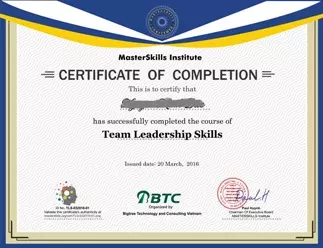
Course Completion Certificate
Participants who meet the attendance and practical requirements receive a Masterskills certificate of program completion.
8. Faculty
Masterskills instructors and experts bring practical management, consulting, and training experience relevant to the program content.

MBA. Dinh Tien Dung
Human resource and quality systems management expert specializing in HR management, ISO, quality systems, and leadership skills.

MBA. Hoang Minh Nghiep
Production management and productivity improvement expert specializing in Lean, Six Sigma, productivity management, quality, and operational system optimization.
9. Masterskills Corporate Profile
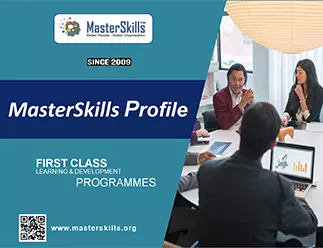
An overview of Masterskills' training capabilities, areas of expertise, delivery methodology, and experience partnering with organizations.
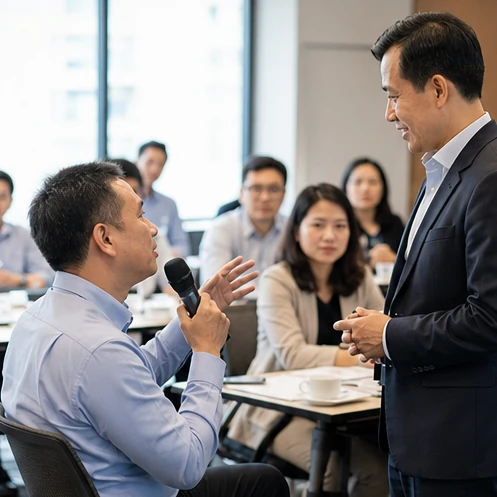
Client Testimonials
View More Client Testimonials“The ISO 9001:2015 Quality Management course provides practical content, job-relevant exercises, and clear facilitation. The instructor helps participants use appropriate tools, analyze scenarios, and build solutions they can apply at work after the program.”
10. Selected Clients
Masterskills has delivered a number of corporate training programs with content closely related to this course topic.
.webp) Seven Quality Management ToolsCompany TAKAKO Vietnam – Binh Duong
Seven Quality Management ToolsCompany TAKAKO Vietnam – Binh Duong
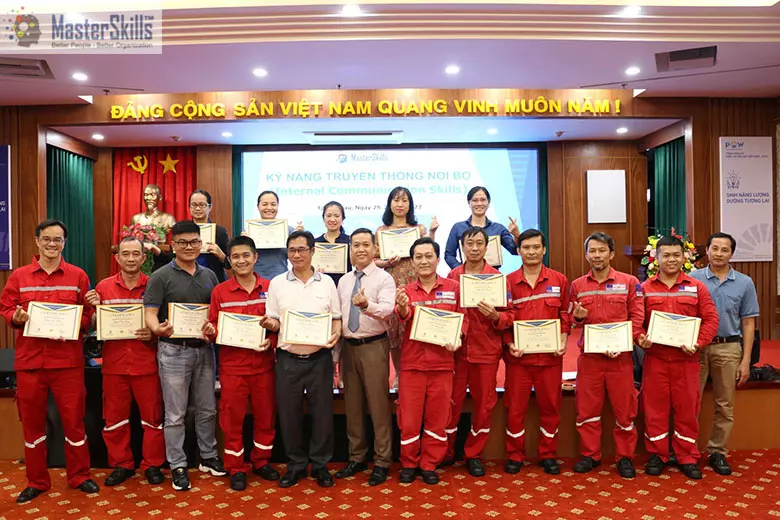 Internal CommunicationCa Mau Petroleum Power Company - Ho Chi Minh City
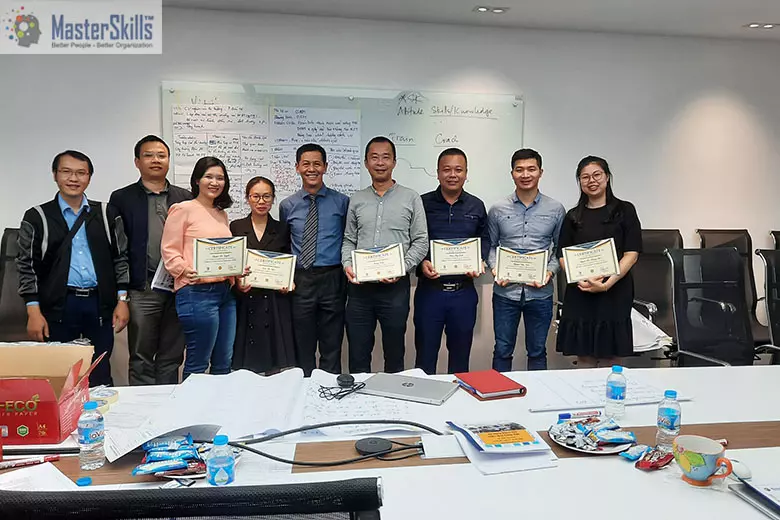 Performance EvaluationCompany Co., Ltd. Xuan Cau - Ho Chi Minh City
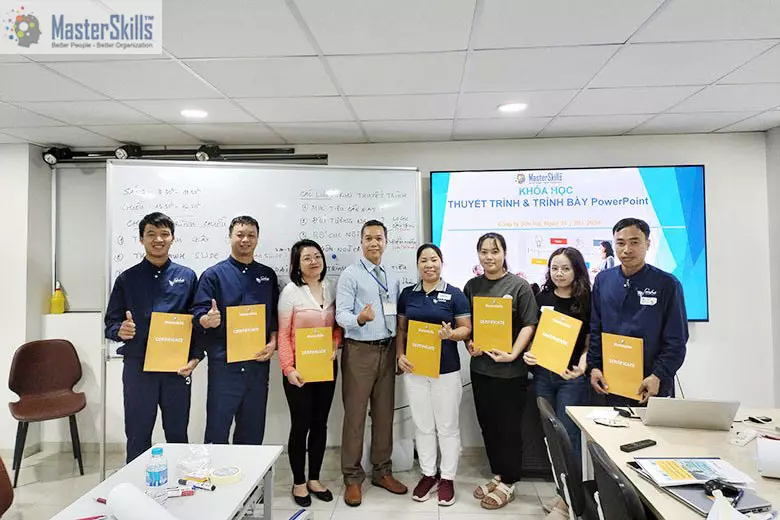 Presentation SkillsCompany Huong Gia Vi Son Ha - Ho Chi Minh City
.webp) Customer Experience JourneyMilitary Bank (MB Bank) - Ho Chi Minh City
Customer Experience JourneyMilitary Bank (MB Bank) - Ho Chi Minh City
.webp) Using ChatGPT to Improve Work PerformanceCompany Gia Ngoc - Ho Chi Minh City
Using ChatGPT to Improve Work PerformanceCompany Gia Ngoc - Ho Chi Minh City
.webp) Using ChatGPT to Improve Work PerformanceCompany Gia Ngoc - Ho Chi Minh City
Using ChatGPT to Improve Work PerformanceCompany Gia Ngoc - Ho Chi Minh City
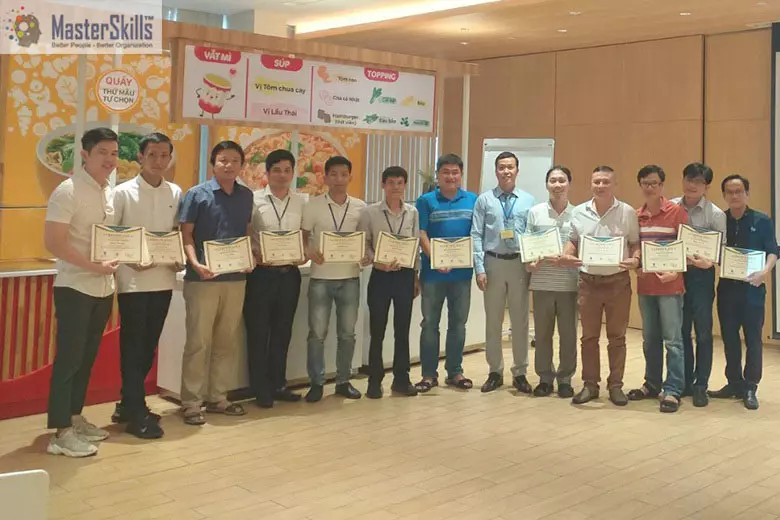 Risk Management and Information SecurityCompany CP AceCook Vietnam - Ho Chi Minh City
Related Courses

Quality Management - TQMDevelop practical capability in quality management - tqm through real business scenarios.

Six Sigma Quality ManagementDevelop practical capability in six sigma quality management through real business scenarios.

The PDCA Work CycleDevelop practical capability in the pdca work cycle through real business scenarios.

Seven Quality Control ToolsDevelop practical capability in seven quality control tools through real business scenarios.

Value Stream Mapping - VSMDevelop practical capability in value stream mapping - vsm through real business scenarios.

Materials Flow ManagementDevelop practical capability in materials flow management through real business scenarios.
Ready to develop iso 9001:2015 quality management for your team?
Masterskills experts are ready to advise on a ISO 9001:2015 Quality Management program aligned with your organization’s objectives.