
Copyrighted The MaterialsStandardized content updated according to course objectives.






Course
Excellent Customer Service Skills
Excellent Customer Service Skills
Strengthen the capability to manage customer experience, deliver consistent service, restore trust and improve service quality in complex situations.
Table of Contents
1. The Introduction
Excellent service does not depend only on employee attitude; it also requires the ability to understand expectations, manage multiple touchpoints and respond effectively when commitments are not met. Difficult situations often require collaboration, empowerment and clear standards beyond basic communication skills.
The course focuses on personalizing interactions, managing customer emotions, handling service failures, recovering service and maintaining commitments in high-risk situations. Learners practice through complex cases with customers, teams and internal departments.
The “Excellent Customer Service Skills” program is suitable for teams with a service foundation that need to improve their ability to handle complex touchpoints or high-level requests.
2. Training Objectives
- Analyze expectations and the factors that create excellent service experiences.
- Adjust communication and service approaches for each customer and situation.
- Maintain consistent service quality and deliver on commitments.
- Handle service incidents, complex complaints and restore customer trust.
- Use feedback, indicators and case lessons to improve service.
3. Target Participants
- Experienced service and customer care staffNeed to strengthen their ability to handle complex situations.
- Service supervisors and team leadersResponsible for supporting employees and controlling touchpoint quality.
- Customer experience managersNeed to connect standards, feedback and service improvement activities.
- Operations managers related to customersNeed to coordinate service recovery and maintain commitments across departments.
4. The Content
The content moves from excellent service mindset to understanding expectations, emotionally positive communication, commitment execution, trust recovery and continuous improvement.
PART 01 Excellent Customer Service Mindset
- Concepts of excellent customer service.
- Differences among good, professional and excellent service.
- The role of service in competitive advantage.
- Thinking beyond the expectations of target customers.
- Customer experience as an enterprise asset.
- Mistakes that reduce service quality.
- Examples of excellent service in practice.
- Discussion of desired service standards.
PART 02 Understanding Customers and Service Expectations
- Identify explicit and implicit needs.
- Analyze expectations by customer segment.
- Identify important service touchpoints.
- Map the actual customer journey.
- Recognize moments that create strong impressions.
- Apply the Customer Journey Map model.
- Exercise analyzing customer experience.
- Design service standards by touchpoint.
PART 03 Service Communication That Creates Positive Emotion
- Create goodwill from the first contact.
- Use positive and professional language.
- Listen actively and respond with empathy.
- Ask questions to clarify customer expectations.
- Adjust tone according to customer emotions.
- Control emotions in pressure situations.
- Case of a demanding and less cooperative customer.
- Practice excellent service conversations.
PART 04 Consistent Service Delivery and Commitment Fulfillment
- Understand the organization’s service standards.
- Follow processes and deadlines.
- Coordinate departments to serve customers.
- Track progress in handling customer requests.
- Communicate proactively when changes occur.
- Use checklists to control service quality.
- Example of a delayed service commitment.
- Exercise to build a standard service process.
PART 05 Handling Service Failures and Restoring Customer Trust
- Recognize signs of customer dissatisfaction.
- Receive complaints with a calm attitude.
- Apologize appropriately and take the right level of responsibility.
- Provide corrective solutions with clear deadlines.
- Apply an effective Service Recovery model.
- Follow up after resolution to restore trust.
- Case of a seriously disappointed customer.
- Practice handling difficult service failures.
PART 06 Measuring, Improving and Sustaining Service Excellence
- Set key service quality indicators.
- Measure CSAT, NPS and CES periodically.
- Collect customer feedback from multiple channels.
- Analyze causes of less-than-excellent experiences.
- Propose improvements to service processes.
- Spread service culture within the team.
- Prepare a post-training action plan.
- Commit to raising service standards in the department.
5. Training Methodology
The class is organized in small groups with a learner-centered approach. The facilitator delivers concise inputs, then leads discussion, scenario practice, feedback and debriefing so learners can convert knowledge into applicable workplace behaviors.
Group Discussion
Individual Exercises
Group Presentation
Brainstorming Techniques
Facilitator-Guided Practice
Experiential Project
In-Class Activities
Role-Play Activities
Classroom Presentation
6. Class Information
| Expected Start Date | Schedule | Time | Location | Tuition Fee | Register |
|---|---|---|---|---|---|
| To be updated | Saturday – Sunday | 08:30 – 16:30 | Ho Chi Minh City | 4,500,000 VND | Register |
| To be updated | Monday – Thursday | 18:00 – 21:30 | Hanoi | 4,500,000 VND | Register |
10% discount for registration at least 15 days in advance, groups of three or more learners, or loyal clients.Reserve a Seat
Note: The schedule above is tentative and may be adjusted depending on registration numbers, class organization conditions and the actual training plan. Masterskills will confirm the official schedule with learners before the start date.
- Duration: 2 days / 4 sessions; maximum 35 learners per class.
- Ho Chi Minh City: 224 Dien Bien Phu Street, Ban Co Ward, Ho Chi Minh City.
- Hanoi: 51 Le Dai Hanh Street, Hai Ba Trung Ward, Hanoi.
- In-house corporate training: Delivered at the client’s office or factory; quotation depends on design scope, location and class size.
- Additional costs: Trainer travel and accommodation costs are determined according to the delivery location, if applicable.
7. Learning Materials & Certification
Learners receive copyrighted course materials developed by Masterskills, practice handouts, self-assessment forms and reference materials closely aligned with business situations.
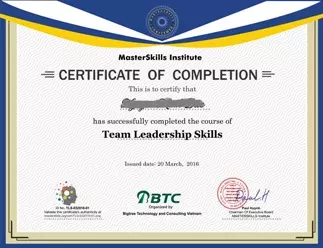
Certificate of Completion
Learners who meet attendance and practice requirements receive a Masterskills certificate of completion.
8. Faculty Team
Masterskills faculty and experts have practical experience in management, consulting and training in fields aligned with the program content.

MBA. Vu Lai Doan Trang
Human resource development and leadership expert. Leadership development, learning & development, customer service and organizational operations.

Dr. Thai Tri Dung
Human resource management and behavioral psychology expert. Leadership, management psychology, negotiation, culture and organizational behavior.
9. Masterskills Profile
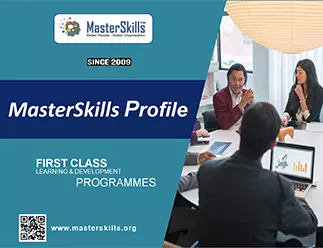
Masterskills’ training capabilities, areas of expertise, delivery methodology and experience partnering with enterprises.
Client Testimonials
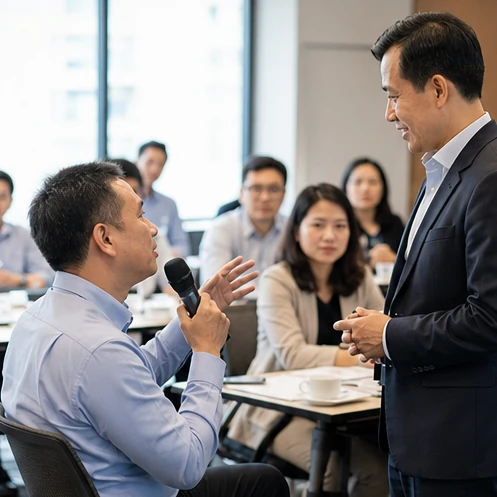
View More Client Testimonials“The Excellent Customer Service Skills course provides practical content, workplace-relevant activities and clear facilitation. The facilitator helps learners use appropriate tools, analyze situations and develop concrete application plans after the course.”
10. Representative Clients
Selected practical training programs with content related to this course topic have been delivered by Masterskills for corporate clients.
.webp) Customer Journey ExperienceBank Military (MB Bank) – Ho Chi Minh City
Customer Journey ExperienceBank Military (MB Bank) – Ho Chi Minh City
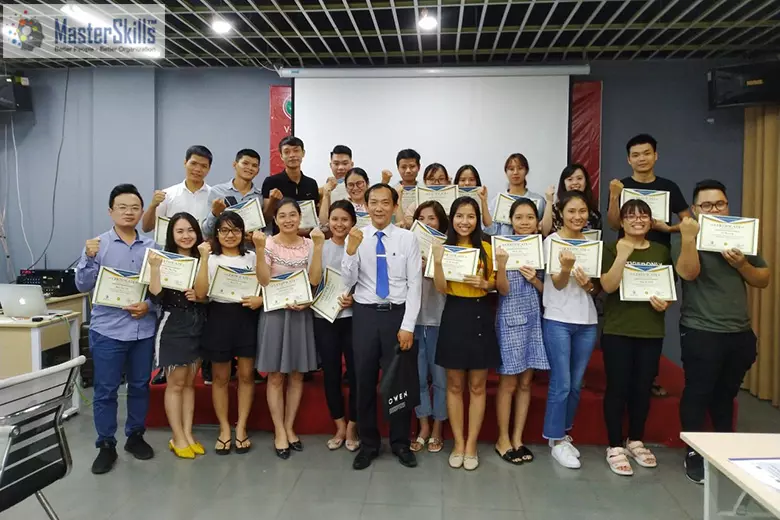 Customer Service SkillsCompany China Express – Ho Chi Minh City
.webp) Customer Service SkillsOlympia Schools – Ho Chi Minh City
Customer Service SkillsOlympia Schools – Ho Chi Minh City
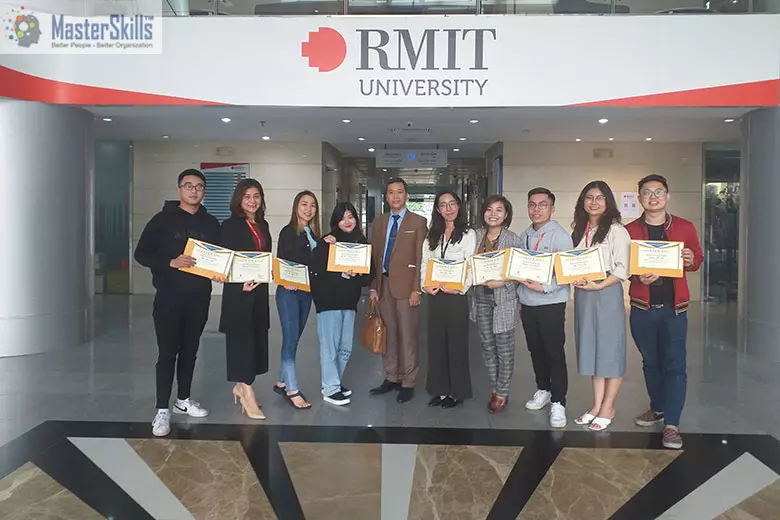 Customer Psychology and BehaviorUniversity RMIT – Ho Chi Minh City
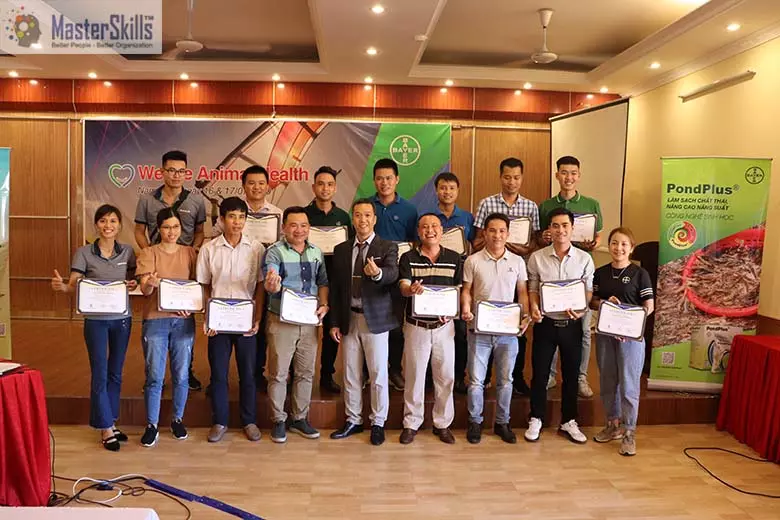 Customer Psychology and BehaviorCompany Bayer VietNam – Nam Dinh
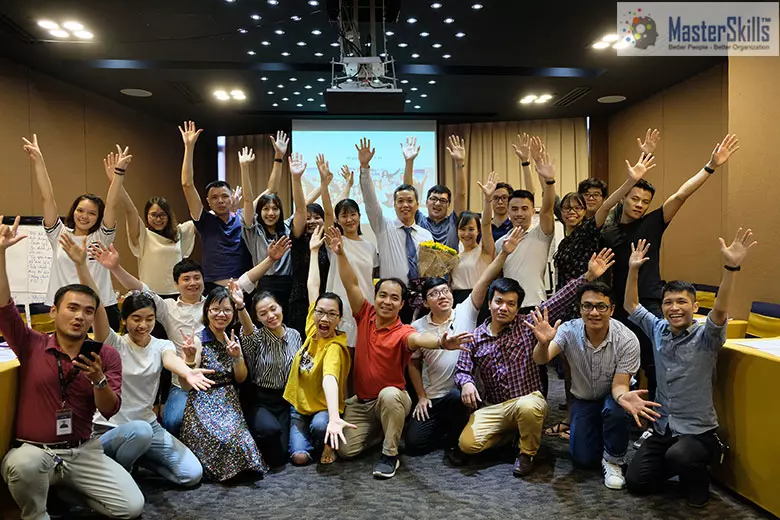 Customer Psychology and Behavior B2BCompany E-Soft Vietnam - Ho Chi Minh City
Customer Psychology and BehaviorCompany Bayer VietNam - Nam Dinh
Customer Psychology and Behavior B2BCompany E-Soft Vietnam - Ho Chi Minh City
Customer Psychology and BehaviorCompany Bayer VietNam - Nam Dinh
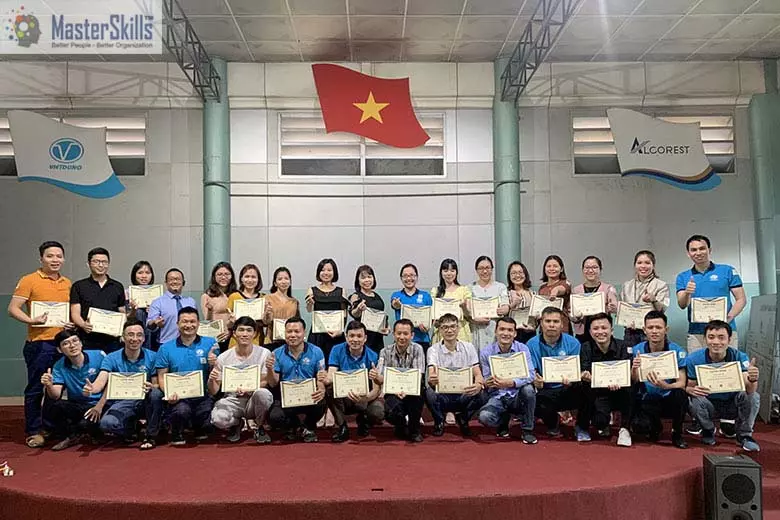 Customer Complaint HandlingViet Dung Aluminum JSC – Ho Chi Minh City
Related Courses

Customer Service MindsetDevelop customer service mindset through real workplace scenarios.

Customer Service SkillsDevelop customer service skills through real workplace scenarios.

Customer Service AttitudeDevelop customer service attitude through real workplace scenarios.

Customer Service OptimizationDevelop customer service optimization capability through real workplace scenarios.

Customer Service CultureDevelop customer service culture capability through real workplace scenarios.

Customer Care SkillsDevelop customer care skills through real workplace scenarios.
Ready to develop Excellent Customer Service Skills capability for your team?
Masterskills experts are ready to advise on a Excellent Customer Service Skills program aligned with your business objectives.