
Copyrighted The MaterialsStandardized content updated according to course objectives.







Course
Intuition-Based Decision Making
Intuition-Based Decision Making
Help managers understand when intuition can be used, distinguish experience-based judgment from emotion, and validate fast decisions.
Table of Contents
1. The Introduction
In many situations, managers must decide before complete data is available. Intuition can be useful when it is built from experience in a patterned environment, but it can also be confused with emotions, habits or cognitive biases.
The course helps learners identify conditions for using intuition, emotional traps and the risk level of decisions. Learners practice combining judgment with minimum data, critical questions and rapid validation.
The “Intuition-Based Decision Making” program does not encourage unsupported decisions; it guides learners to use intuition in a controlled way within appropriate contexts.
2. Training Objectives
- Explain how intuition is formed and the role of experience.
- Distinguish grounded intuition from emotional reaction or impulsiveness.
- Identify biases and conditions that reduce the reliability of judgment.
- Combine intuition with minimum data, critical questions and risk checks.
- Select mechanisms for fast decisions, small experiments and learning from real outcomes.
3. Target Participants
- Senior leaders and managersOften make decisions with incomplete information or time pressure.
- Project, operations and incident managersNeed to act quickly while controlling risk.
- Sales, marketing and product development managersMust balance data, experience and market signals.
- Analysts and internal consultantsWant to combine analysis with managerial judgment.
4. The Content
The program clarifies the nature of intuition, conditions for use, biases, data integration, decisions under pressure and the process of strengthening judgment.
PART 01 Foundations of Intuition in Decision Making
- Concepts of intuition in management.
- Origins of intuition from accumulated experience.
- Differences among intuition, emotion and judgment.
- The role of intuition when data is incomplete.
- Benefits and limits of fast decisions.
- The two-system thinking model.
- Case: making quick decisions under high pressure.
- Practice identifying personal intuition patterns.
PART 02 Conditions for Using Intuition Effectively
- Contexts suitable for intuitive decisions.
- Signs of familiar and repeated environments.
- Professional experience as a basis for judgment.
- Recognizing weak signals from reality.
- Knowing when to slow down for validation.
- Questions to ask before trusting intuition.
- Example of HR decisions based on experience.
- Practice evaluating intuition reliability.
PART 03 Identifying Biases and Emotional Traps
- Confirmation bias in situation assessment.
- Halo effect when evaluating people.
- Loss aversion in risky choices.
- Overconfidence due to past success.
- Confusing intuition with immediate emotion.
- Techniques for separating facts from interpretation.
- Case: trusting the wrong person because of a good impression.
- Practice detecting personal biases.
PART 04 Combining Intuition with Data and Critical Challenge
- Use data to test the initial hunch.
- Form hypotheses from intuitive signals.
- Challenge quickly with critical questions.
- Consult other perspectives before deciding.
- Three-step process for validating intuition.
- Balance intuition and evidence.
- Case: intuition conflicts with a report.
- Practice validating intuitive decisions.
PART 05 Fast Decision Making Under Pressure
- Identify decisions that require speed.
- Set minimum criteria before deciding.
- Use a short pause to observe again.
- Prioritize options that are good enough and safe.
- Delegate decisions according to risk level.
- Prepare response scenarios when information is insufficient.
- Case: handling a major customer incident.
- Practice simulated decisions under pressure.
PART 06 Strengthening Intuition and Learning from Decisions
- Keep a journal of important decisions.
- Compare initial hunches with outcomes.
- Analyze deviations after each decision.
- Build a library of management situations.
- Seek feedback from colleagues and supervisors.
- Develop the habit of learning quickly from experience.
- Case: learning from a wrong decision.
- Practice preparing an intuition development plan.
5. Training Methodology
The class is organized in small groups with a learner-centered approach. The facilitator delivers concise inputs, then leads discussion, scenario practice, feedback and debriefing so learners can convert knowledge into applicable workplace behaviors.
Group Discussion
Individual Exercises
Group Presentation
Brainstorming Techniques
Facilitator-Guided Practice
Experiential Project
In-Class Activities
Role-Play Activities
Classroom Presentation
6. Class Information
| Expected Start Date | Schedule | Time | Location | Tuition Fee | Register |
|---|---|---|---|---|---|
| To be updated | Saturday – Sunday | 08:30 – 16:30 | Ho Chi Minh City | 4,500,000 VND | Register |
| To be updated | Monday – Thursday | 18:00 – 21:30 | Hanoi | 4,500,000 VND | Register |
10% discount for registration at least 15 days in advance, groups of three or more learners, or loyal clients.Reserve a Seat
Note: The schedule above is tentative and may be adjusted depending on registration numbers, class organization conditions and the actual training plan. Masterskills will confirm the official schedule with learners before the start date.
- Duration: 2 days / 4 sessions; maximum 35 learners per class.
- Ho Chi Minh City: 224 Dien Bien Phu Street, Ban Co Ward, Ho Chi Minh City.
- Hanoi: 51 Le Dai Hanh Street, Hai Ba Trung Ward, Hanoi.
- In-house corporate training: Delivered at the client’s office or factory; quotation depends on design scope, location and class size.
- Additional costs: Trainer travel and accommodation costs are determined according to the delivery location, if applicable.
7. Learning Materials & Certification
Learners receive copyrighted course materials developed by Masterskills, practice handouts, self-assessment forms and reference materials closely aligned with business situations.
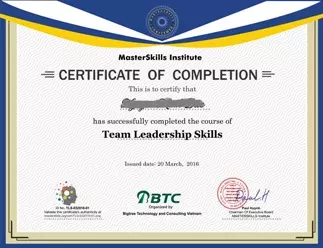
Certificate of Completion
Learners who meet attendance and practice requirements receive a Masterskills certificate of completion.
8. Faculty Team
Masterskills faculty and experts have practical experience in management, consulting and training in fields aligned with the program content.

MBA. Paul Huỳnh
Leadership and capability development expert. Management skills, critical thinking, execution leadership and coaching.

MBA. Nguyễn Hữu Thái Hòa
Strategy and digital transformation expert. Corporate strategy, digital transformation, business model innovation and growth.
9. Masterskills Profile
Masterskills’ training capabilities, areas of expertise, delivery methodology and experience partnering with enterprises.
Client Testimonials
View More Client Testimonials“The Intuition-Based Decision Making course provides practical content, workplace-relevant activities and clear facilitation. The facilitator helps learners use appropriate tools, analyze situations and develop concrete application plans after the course.”
10. Representative Clients
Selected practical training programs with content related to this course topic have been delivered by Masterskills for corporate clients.
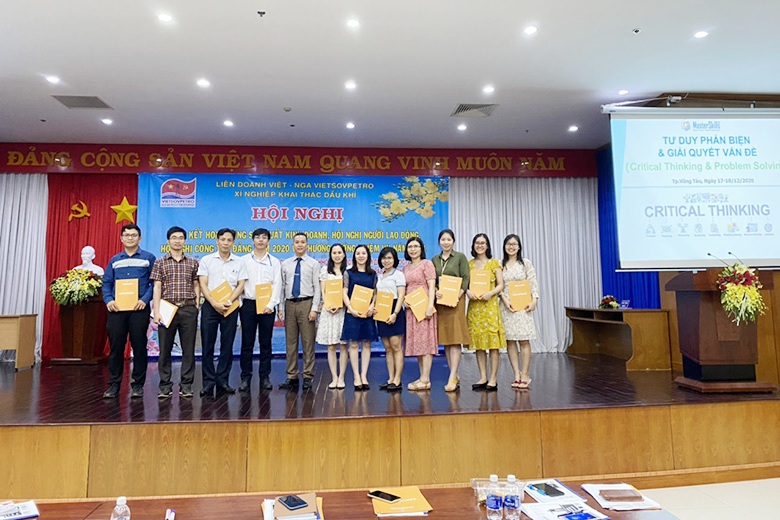 Critical Thinking and Problem-Solving SkillsOil & Gas Exploitation Enterprise VietsoPetro – Vung Tau
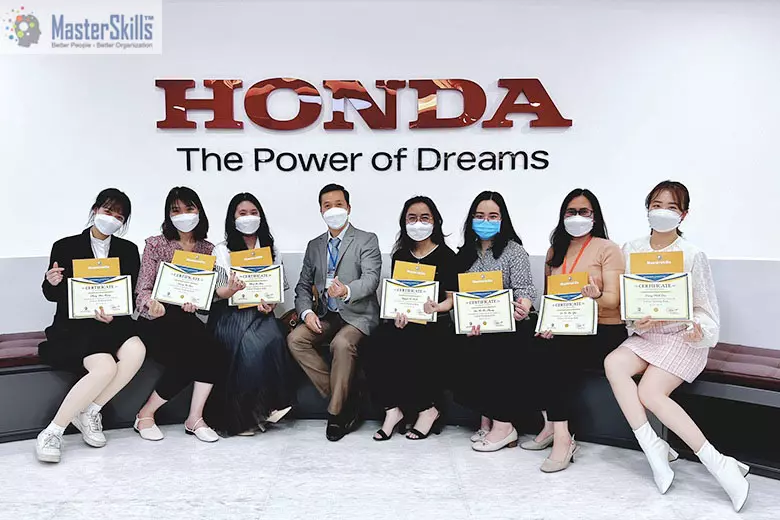 Critical Thinking SkillsCompany Honda VietNam – Ho Chi Minh City
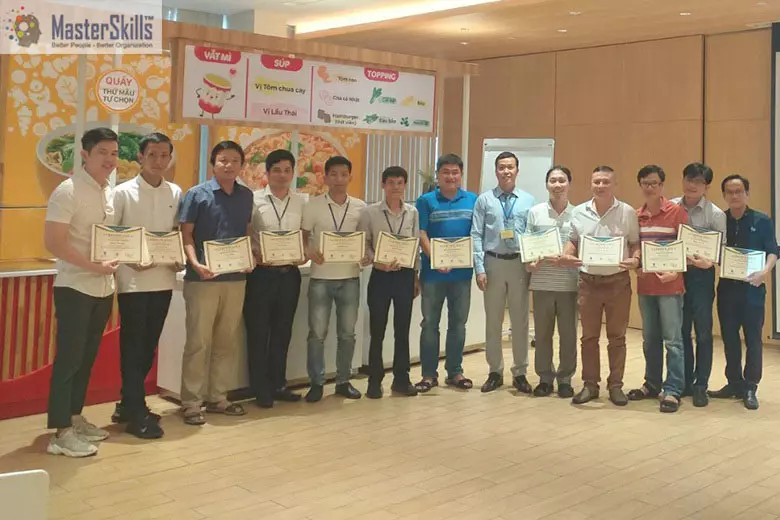 Risk Management and Information SecurityCompany JSC AceCook VietNam – Ho Chi Minh City
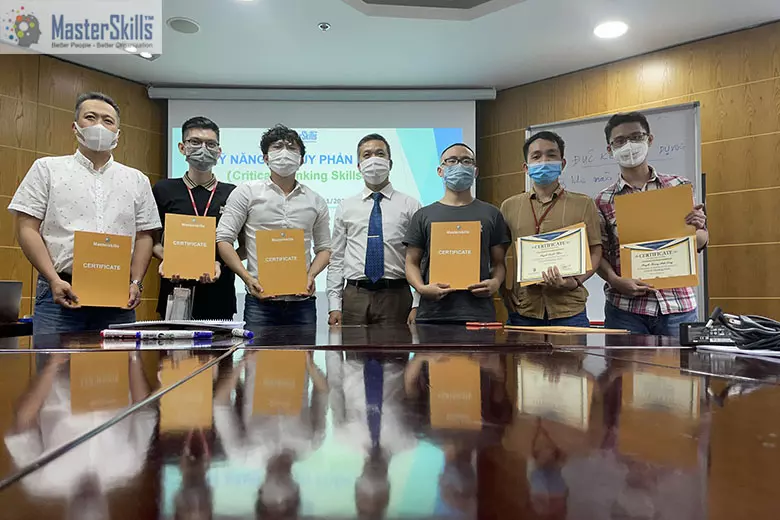 Critical Thinking SkillsCompany Ajinomoto VietNam – Ho Chi Minh City
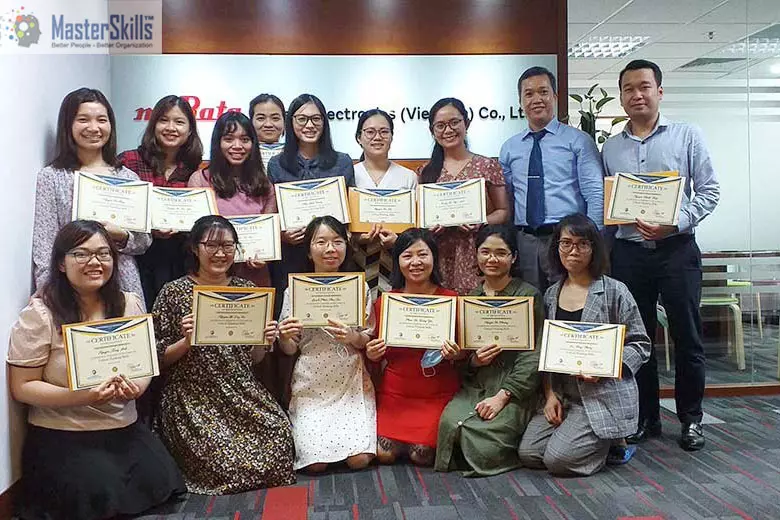 Critical Thinking SkillsCompany Murata Electronics VietNam – Ho Chi Minh City
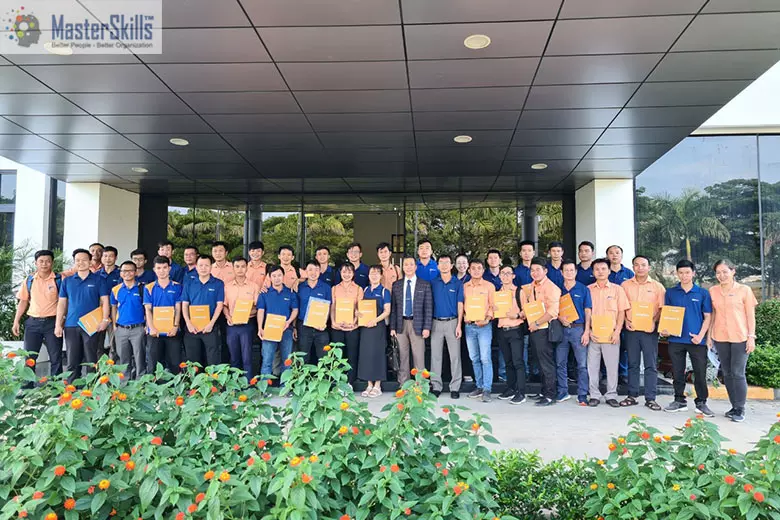 Positive ThinkingCompany Behn Meyer Agricare VietNam – Ho Chi Minh City
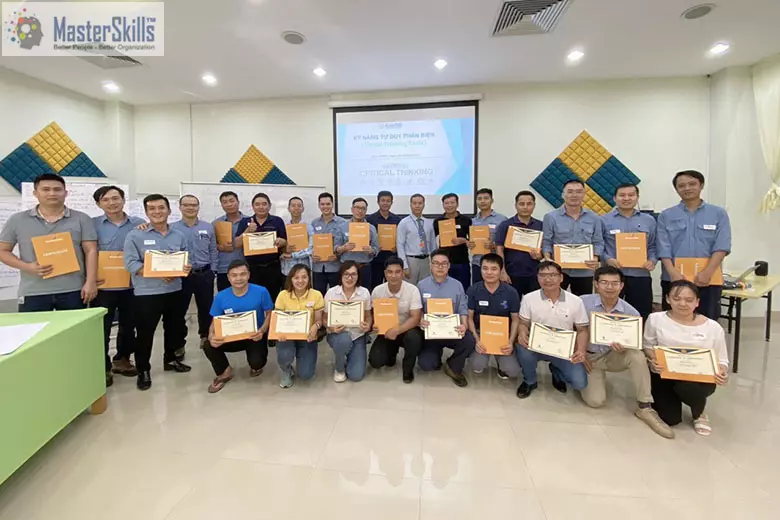 Critical Thinking SkillsCompany AES Mong Duong Power Company - Quang Ninh Province
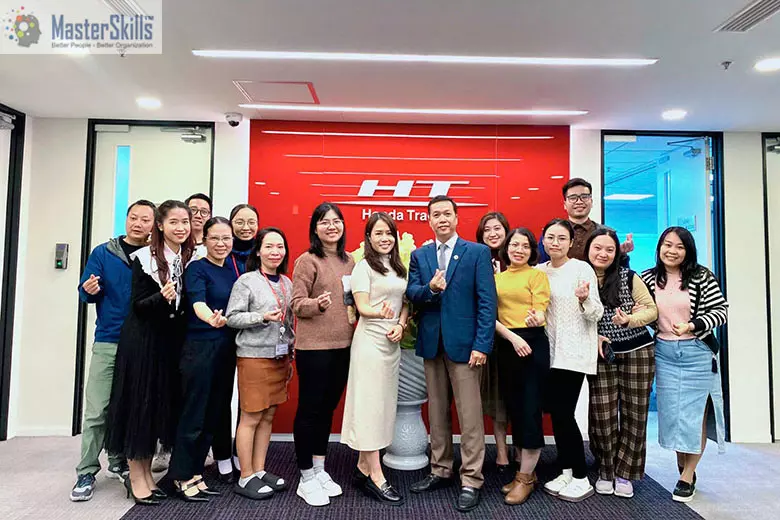 Critical Thinking SkillsCompany Ltd. Honda Trading VietNam - Ho Chi Minh City
Related Courses

Positive and Creative Thinking SkillsPractice practical tools and improve workplace effectiveness.

Positive Feedback SkillsDevelop positive feedback skills through real workplace scenarios.

Probability-Based Decision MakingDevelop probability-based decision-making capability through real workplace scenarios.

Innovation Management and Creative RiskPractice practical tools and improve workplace effectiveness.

Leadership that Unlocks Collective IntelligencePractice practical tools and improve workplace effectiveness.

Performance AppraisalDevelop performance appraisal capability through real workplace scenarios.
Ready to develop Intuition-Based Decision Making capability for your team?
Masterskills experts are ready to advise on a Intuition-Based Decision Making program aligned with your business objectives.