
Copyrighted The MaterialsStandardized content updated according to course objectives.



Course
Becoming an Effective Meeting Facilitator
Becoming an Effective Meeting Facilitator
Standardize the full meeting process, from clarifying objectives and preparing agendas to facilitating discussion, making decisions and following up.
Table of Contents
1. The Introduction
A meeting without a clear objective, accountable owners or action follow-up can consume time without producing results. Meeting effectiveness depends on preparation, facilitation and post-meeting commitment management.
The course helps learners classify meeting types, design agendas, prepare information and select appropriate participants. During facilitation, learners practice guiding discussion, managing time, drawing conclusions and handling difficult dynamics.
The “Becoming an Effective Meeting Facilitator” program helps turn meetings into tools for coordination, decision-making and action rather than mere information exchange.
2. Training Objectives
- Determine the meeting objective, meeting type and expected outcomes before organizing.
- Prepare an appropriate agenda, materials, participant list and roles.
- Facilitate discussion, control time and maintain engagement.
- Handle difficult situations and disagreements while helping the group reach decisions.
- Record conclusions, assign responsibilities and follow up on post-meeting actions.
3. Target Participants
- Leaders and managersRegularly chair decision-making or coordination meetings.
- Team leaders and project managersNeed to organize progress meetings, solve problems and coordinate stakeholders.
- Secretaries, assistants and administrative staffPrepare, record and support meeting operations.
- Employees who often coordinate internal workshopsNeed to improve discussion facilitation and time management.
4. The Content
The content covers meeting fundamentals, agenda preparation, discussion facilitation, time and decision management, difficult meeting situations and post-meeting follow-up.
PART 01 Foundations of Professional Meeting Facilitation
- The role of meetings in business operations.
- Differences between information meetings and decision meetings.
- Meeting mindset focused on clear results.
- Types of meetings in organizations.
- Objective-based meeting effectiveness models.
- Responsibilities of the facilitator before, during and after meetings.
- Case: too many meetings with no results.
- Self-assessment of meeting quality.
PART 02 Preparing Meetings and Designing Agendas
- Define specific meeting objectives.
- Select the right participants.
- Build the agenda by priority.
- Prepare required materials and data.
- Allocate time for each topic.
- Set expectations before the meeting.
- Example agenda for a decision-making meeting.
- Practice designing a sample meeting agenda.
PART 03 Skills for Facilitating Effective Discussion
- Open the meeting with a clear objective.
- Set shared discussion rules.
- Ask questions to guide discussion.
- Encourage quiet participants to contribute.
- Summarize key points during the meeting.
- Keep discussion focused on the desired outcome.
- Case: the meeting drifts off topic.
- Role-play practice: facilitating group discussion.
PART 04 Time Control and Decision Making
- Monitor time spent on each agenda item.
- Recognize topics that should be stopped or moved.
- Manage conflicting opinions appropriately.
- Use voting when agreement is needed.
- Clarify decisions, responsibilities and deadlines.
- Use concise and decisive closing techniques.
- Case: debate continues without conclusion.
- Practice facilitating quick decisions.
PART 05 Handling Difficult Meeting Situations
- Control dominant speakers.
- Invite quiet members to share viewpoints.
- Handle objections and group tension.
- Reduce conflict among stakeholders.
- Bring the meeting back to the main objective.
- Maintain neutrality while facilitating.
- Case: two departments argue intensely.
- Practice handling difficult meeting situations.
PART 06 Post-Meeting Follow-Up and Effectiveness Improvement
- Write concise minutes with clear actions.
- Assign work by owner, deadline and expected result.
- Follow up on post-meeting commitments.
- Use task management tools for reminders.
- Evaluate meeting effectiveness through implementation results.
- Standardize meeting processes within the team.
- Case: conclusions are made but no one acts.
- Practice preparing a meeting improvement plan.
5. Training Methodology
The class is organized in small groups with a learner-centered approach. The facilitator delivers concise inputs, then leads discussion, scenario practice, feedback and debriefing so learners can convert knowledge into applicable workplace behaviors.
Group Discussion
Individual Exercises
Group Presentation
Brainstorming Techniques
Facilitator-Guided Practice
Experiential Project
In-Class Activities
Role-Play Activities
Classroom Presentation
6. Class Information
| Expected Start Date | Schedule | Time | Location | Tuition Fee | Register |
|---|---|---|---|---|---|
| To be updated | Saturday – Sunday | 08:30 – 16:30 | Ho Chi Minh City | 4,500,000 VND | Register |
| To be updated | Monday – Thursday | 18:00 – 21:30 | Hanoi | 4,500,000 VND | Register |
10% discount for registration at least 15 days in advance, groups of three or more learners, or loyal clients.Reserve a Seat
Note: The schedule above is tentative and may be adjusted depending on registration numbers, class organization conditions and the actual training plan. Masterskills will confirm the official schedule with learners before the start date.
- Duration: 2 days / 4 sessions; maximum 35 learners per class.
- Ho Chi Minh City: 224 Dien Bien Phu Street, Ban Co Ward, Ho Chi Minh City.
- Hanoi: 51 Le Dai Hanh Street, Hai Ba Trung Ward, Hanoi.
- In-house corporate training: Delivered at the client’s office or factory; quotation depends on design scope, location and class size.
- Additional costs: Trainer travel and accommodation costs are determined according to the delivery location, if applicable.
7. Learning Materials & Certification
Learners receive copyrighted course materials developed by Masterskills, practice handouts, self-assessment forms and reference materials closely aligned with business situations.
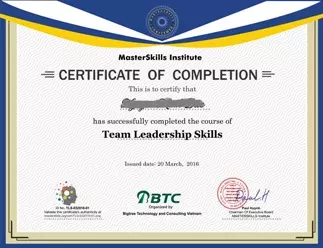
Certificate of Completion
Learners who meet attendance and practice requirements receive a Masterskills certificate of completion.
8. Faculty Team
Masterskills faculty and experts have practical experience in management, consulting and training in fields aligned with the program content.

MBA. Paul Huỳnh
Leadership and capability development expert. Management skills, critical thinking, execution leadership and coaching.

Dr. Thai Tri Dung
Human resource management and behavioral psychology expert. Leadership, management psychology, negotiation, culture and organizational behavior.
9. Masterskills Profile
Masterskills’ training capabilities, areas of expertise, delivery methodology and experience partnering with enterprises.
Client Testimonials
View More Client Testimonials“The Becoming an Effective Meeting Facilitator course provides practical content, workplace-relevant activities and clear facilitation. The facilitator helps learners use appropriate tools, analyze situations and develop concrete application plans after the course.”
10. Representative Clients
Selected practical training programs with content related to this course topic have been delivered by Masterskills for corporate clients.
.webp) Effective Communication SkillsCompany Trading Phuong Long – Ho Chi Minh City
Effective Communication SkillsCompany Trading Phuong Long – Ho Chi Minh City
.webp) Problem-Solving and Decision-Making SkillsHotel New World (ITC) - Ho Chi Minh City
Problem-Solving and Decision-Making SkillsHotel New World (ITC) - Ho Chi Minh City
.webp) Communication Skills for Production TeamsDopla Asia Company - Vung Tau
Communication Skills for Production TeamsDopla Asia Company - Vung Tau
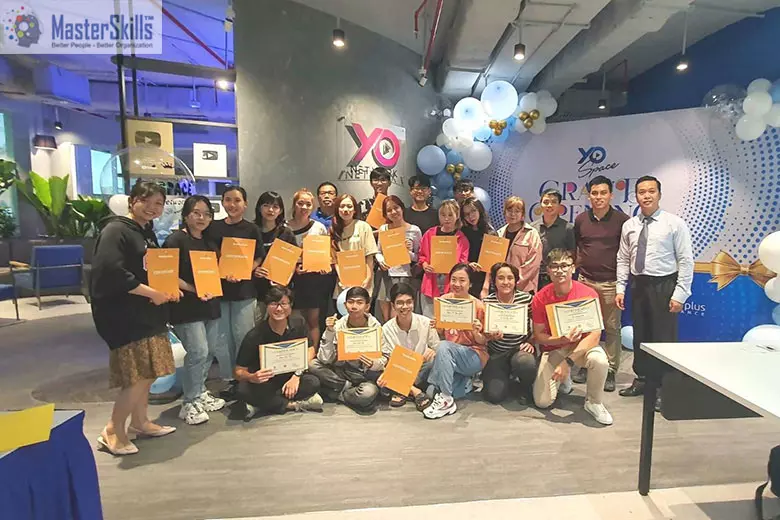 Communication and Emotional Control SkillsJoint Stock Company Tuoi Tre Telecom – Ho Chi Minh City
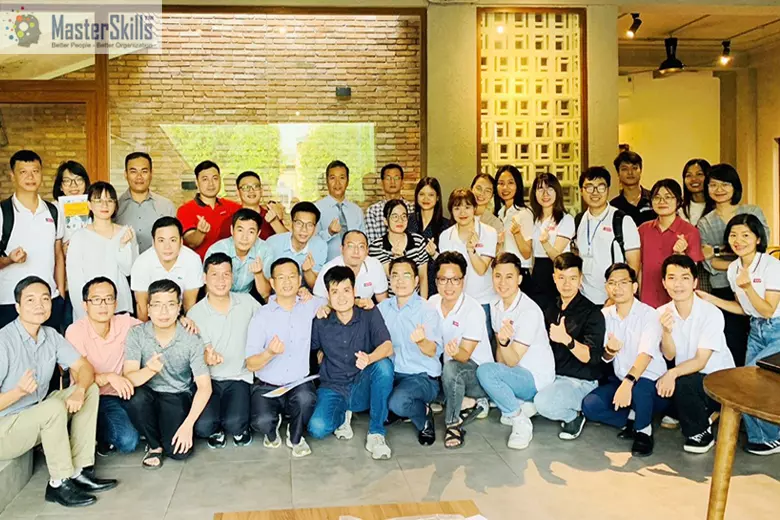 Communication and Customer Service SkillsCompany JSC DV iERP – Hanoi
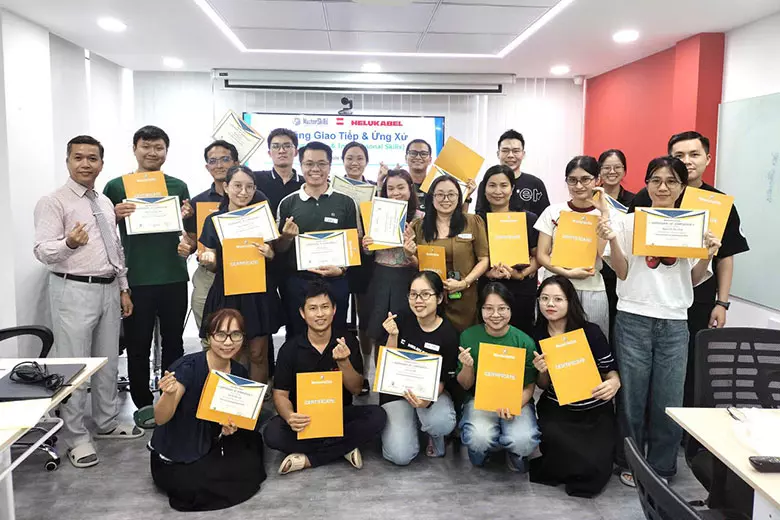 Communication and Interpersonal SkillsCompany HELUKABEL VietNam – Ho Chi Minh City
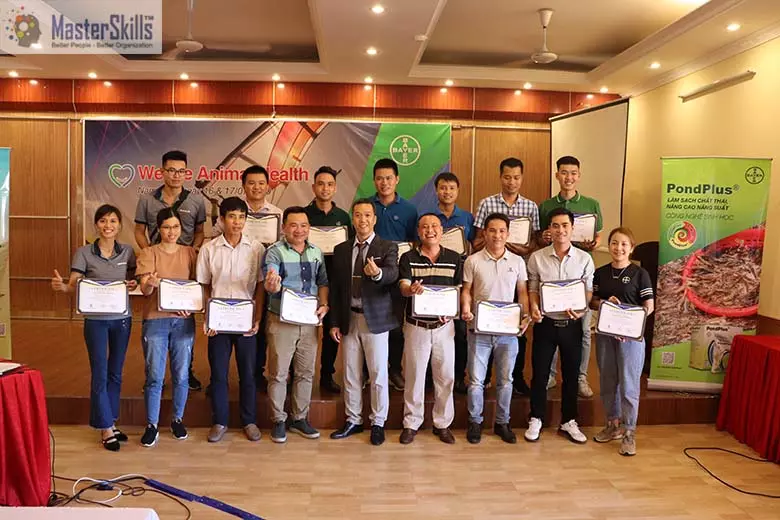 Customer Psychology and BehaviorCompany Bayer VietNam – Nam Dinh
Customer Psychology and BehaviorCompany Bayer VietNam - Nam Dinh
Customer Psychology and BehaviorCompany Bayer VietNam – Nam Dinh
Customer Psychology and BehaviorCompany Bayer VietNam - Nam Dinh
Related Courses
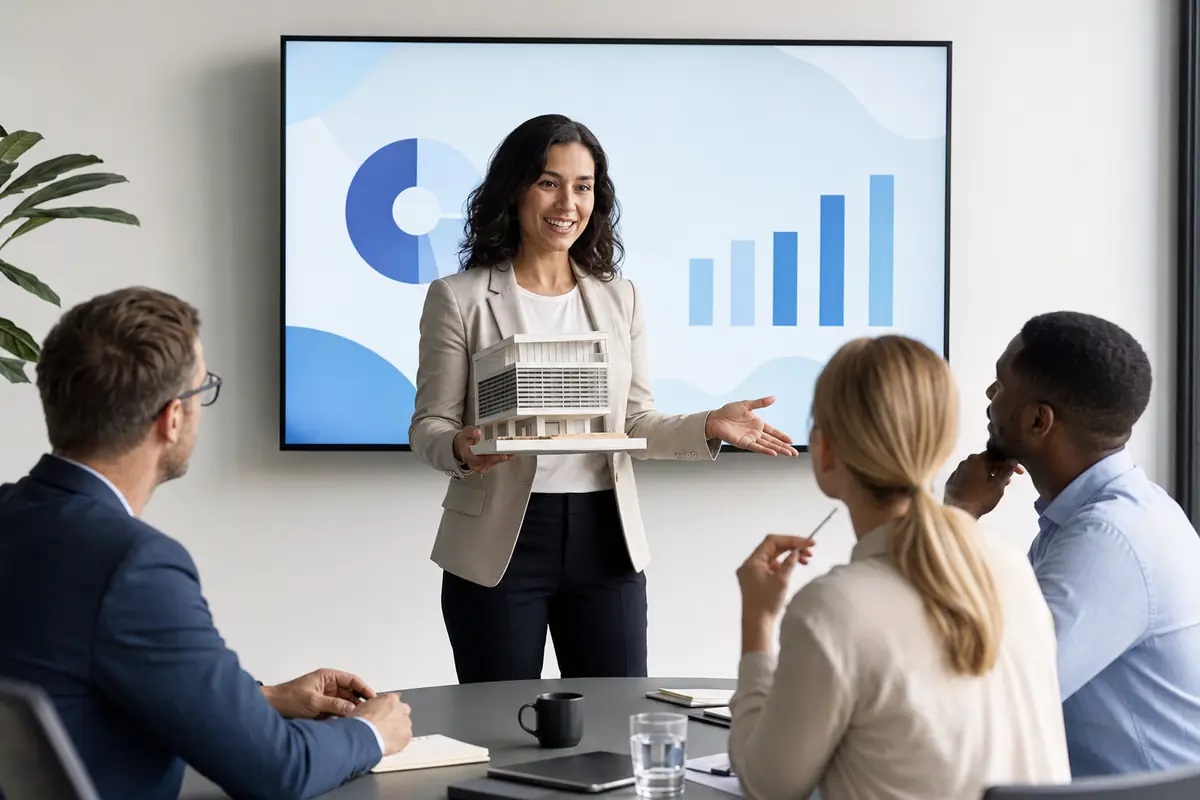
Discussion and Presentation SkillsDevelop discussion and presentation skills through real workplace scenarios.
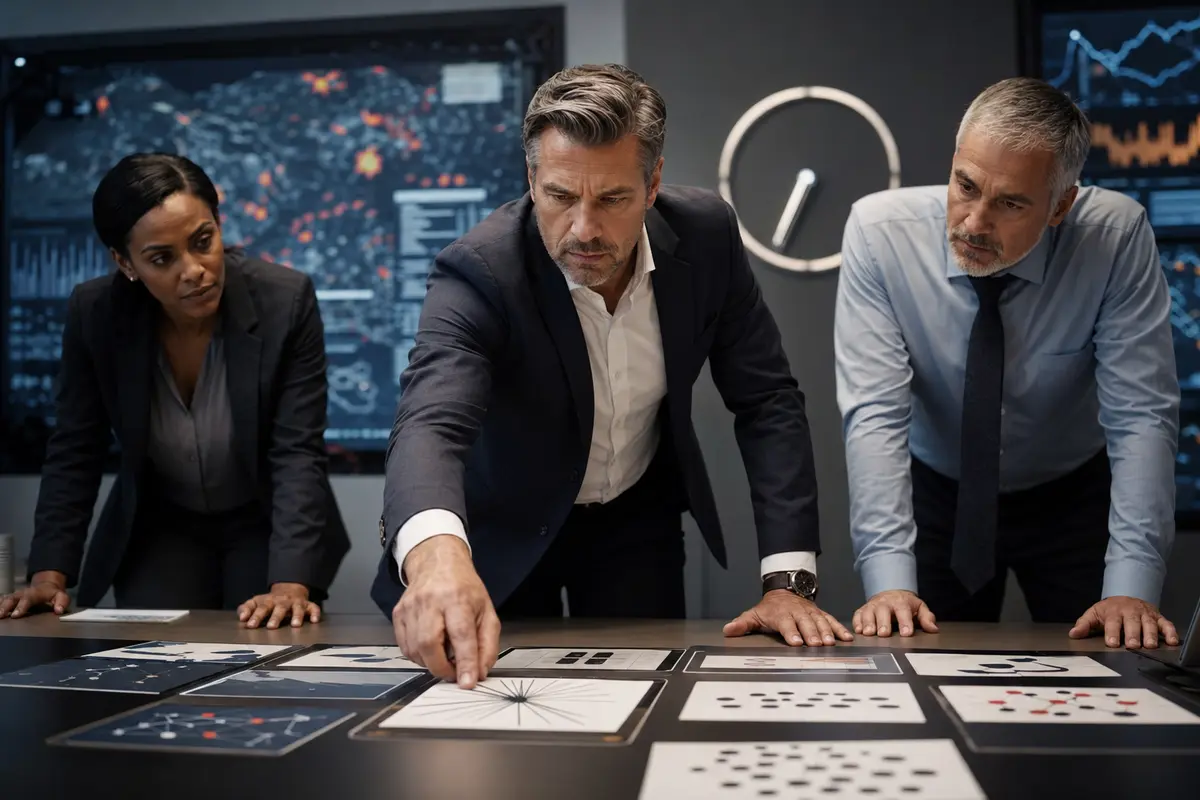
Intuition-Based Decision MakingDevelop intuition-based decision-making capability through real workplace scenarios.
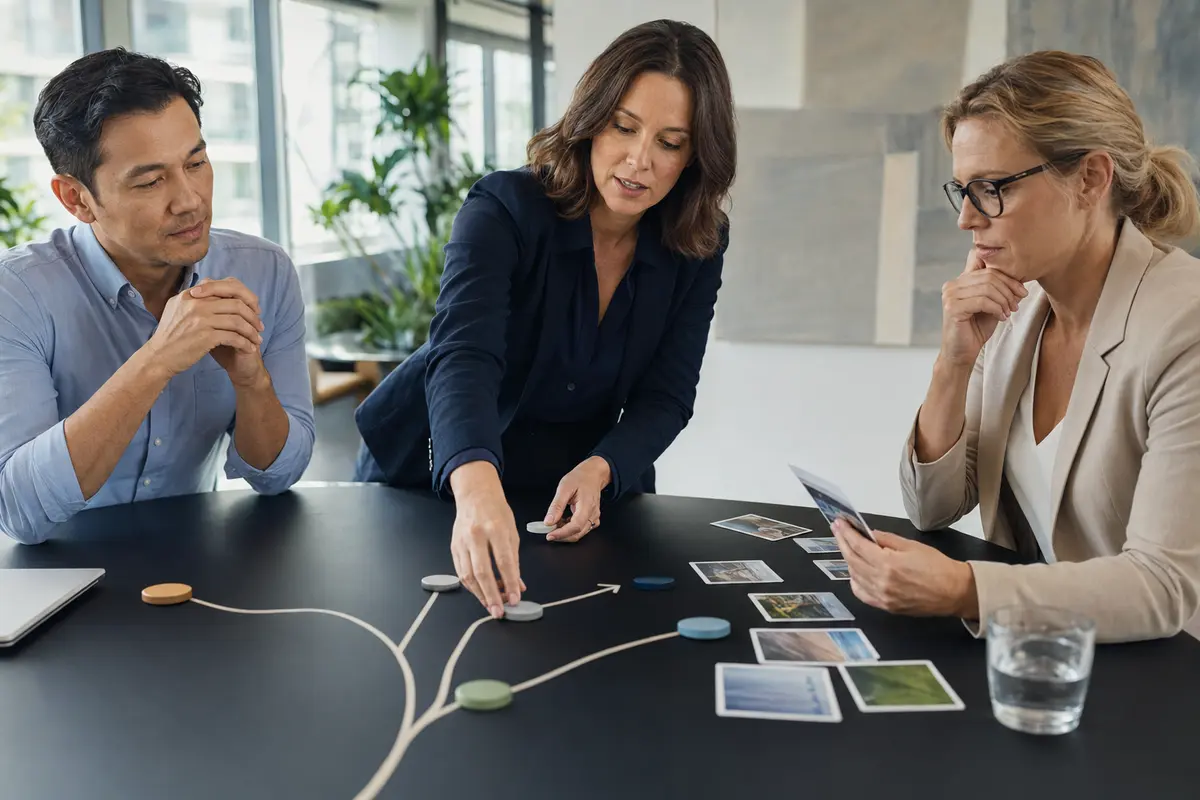
Probability-Based Decision MakingDevelop probability-based decision-making capability through real workplace scenarios.

Sales CommunicationDevelop sales communication capability through real workplace scenarios.

Customer Service CommunicationDevelop customer service communication capability through real workplace scenarios.

Workplace CommunicationDevelop practical capabilities through real workplace scenarios.
Ready to develop Becoming an Effective Meeting Facilitator capability for your team?
Masterskills experts are ready to advise on a Becoming an Effective Meeting Facilitator program aligned with your business objectives.