
Copyrighted The MaterialsStandardized content updated according to course objectives.








Course
Building Effective Training Programs
Building Effective Training Programs
Guide the development of training programs from needs analysis and learning outcomes to content design, implementation and evaluation for improvement.
Table of Contents
1. The Introduction
An effective training program must begin with capability gaps and work results that need improvement, not merely a list of topics to teach. When objectives are unclear or methods are not aligned with learners, training is unlikely to create the expected change.
The course provides a process from needs analysis, learner identification and learning outcomes to content structure, learning methods, materials and evaluation activities. Learners practice building a training program outline that can be applied in their organization.
The “Building Effective Training Programs” program is suitable for people responsible for internal training or capability development activities in enterprises.
2. Training Objectives
- Analyze training needs based on work objectives and capability gaps.
- Identify learners, learning objectives and measurable learning outcomes.
- Design content structures, learning activities and appropriate methods.
- Prepare materials, organize implementation and manage the learner experience.
- Build evaluation tools, collect feedback and improve the program.
3. Target Participants
- Training and L&D officersDirectly survey, design and manage training programs.
- Internal trainers and training specialistsNeed to standardize training content and learning activities.
- HRBPs and capability development managersConnect business needs with training plans.
- Functional managersNeed to build coaching or employee development programs within their departments.
4. The Content
Six content sections cover training design foundations, needs analysis, learning outcomes, content and methods, implementation, evaluation and improvement.
PART 01 Foundations of Training Program Development
- The role of training in business development.
- Differences among training, coaching and capability development.
- The link between training and job performance.
- Training mindset focused on practical results.
- Components of an effective training program.
- The ADDIE model in training design.
- Case: many training activities but low effectiveness.
- Practice evaluating the current training program.
PART 02 Accurate Training Needs Analysis
- Identify capability gaps that need improvement.
- Collect data from managers and employees.
- Analyze KPIs, errors, feedback and work results.
- Distinguish real needs from subjective requests.
- Identify learners and application contexts.
- Use TNA tools to survey training needs.
- Example of practical sales training needs.
- Practice building a needs analysis table.
PART 03 Setting Training Objectives and Learning Outcomes
- Write clear and measurable learning objectives.
- Distinguish knowledge, skills and attitudes.
- Connect learning objectives with work behaviors.
- Define post-training evaluation criteria.
- Apply Bloom’s taxonomy in writing learning objectives.
- Set learning outcomes for each learner group.
- Case: training objectives are too generic.
- Practice writing standard training objectives.
PART 04 Designing Training Content and Methods
- Build a logical lesson structure.
- Select core content and avoid overloading.
- Combine theory, cases and practice.
- Design group activities and discussions.
- Choose methods according to learning objectives.
- Prepare materials, forms and support tools.
- Case: good content but difficult to apply.
- Practice building a sample course outline.
PART 05 Training Implementation and Learner Experience Management
- Prepare the training delivery plan.
- Coordinate trainers, learners and relevant managers.
- Create an active and interactive learning environment.
- Manage class time, energy and progress.
- Handle passive or resistant learners.
- Follow up on post-training action commitments.
- Case: learners attend but lack focus.
- Practice preparing a training implementation plan.
PART 06 Effectiveness Evaluation and Program Improvement
- Evaluate learner reactions after training.
- Measure changes in knowledge, skills and behavior.
- Apply the Kirkpatrick model in evaluation.
- Collect feedback from direct managers.
- Track work results after training.
- Improve content based on real data.
- Case: the course receives praise but performance does not change.
- Practice preparing a training evaluation plan.
5. Training Methodology
The class is organized in small groups with a learner-centered approach. The facilitator delivers concise inputs, then leads discussion, scenario practice, feedback and debriefing so learners can convert knowledge into applicable workplace behaviors.
Group Discussion
Individual Exercises
Group Presentation
Brainstorming Techniques
Facilitator-Guided Practice
Experiential Project
In-Class Activities
Role-Play Activities
Classroom Presentation
6. Class Information
| Expected Start Date | Schedule | Time | Location | Tuition Fee | Register |
|---|---|---|---|---|---|
| To be updated | Saturday – Sunday | 08:30 – 16:30 | Ho Chi Minh City | 4,500,000 VND | Register |
| To be updated | Monday – Thursday | 18:00 – 21:30 | Hanoi | 4,500,000 VND | Register |
10% discount for registration at least 15 days in advance, groups of three or more learners, or loyal clients.Reserve a Seat
Note: The schedule above is tentative and may be adjusted depending on registration numbers, class organization conditions and the actual training plan. Masterskills will confirm the official schedule with learners before the start date.
- Duration: 2 days / 4 sessions; maximum 35 learners per class.
- Ho Chi Minh City: 224 Dien Bien Phu Street, Ban Co Ward, Ho Chi Minh City.
- Hanoi: 51 Le Dai Hanh Street, Hai Ba Trung Ward, Hanoi.
- In-house corporate training: Delivered at the client’s office or factory; quotation depends on design scope, location and class size.
- Additional costs: Trainer travel and accommodation costs are determined according to the delivery location, if applicable.
7. Learning Materials & Certification
Learners receive copyrighted course materials developed by Masterskills, practice handouts, self-assessment forms and reference materials closely aligned with business situations.
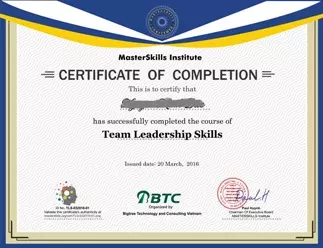
Certificate of Completion
Learners who meet attendance and practice requirements receive a Masterskills certificate of completion.
8. Faculty Team
Masterskills faculty and experts have practical experience in management, consulting and training in fields aligned with the program content.

MBA. Vu Lai Doan Trang
Human resource development and leadership expert. Leadership development, learning & development, customer service and organizational operations.

MBA. La Kien My
Human resource management and organizational leadership expert. Workforce planning, performance, motivation and succession team development.
9. Masterskills Profile
Masterskills’ training capabilities, areas of expertise, delivery methodology and experience partnering with enterprises.
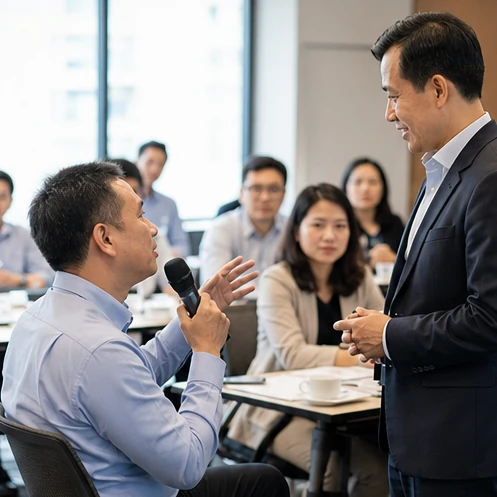
Client Testimonials
View More Client Testimonials“The Building Effective Training Programs course provides practical content, workplace-relevant activities and clear facilitation. The facilitator helps learners use appropriate tools, analyze situations and develop concrete application plans after the course.”
10. Representative Clients
Selected practical training programs with content related to this course topic have been delivered by Masterskills for corporate clients.
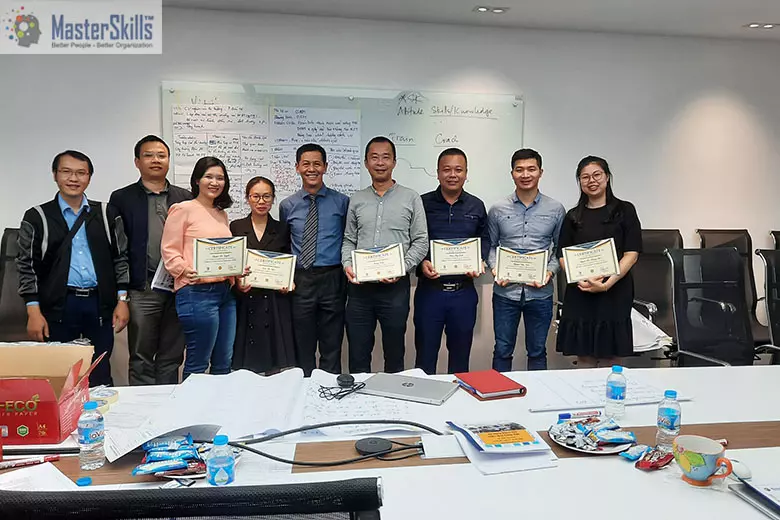 Performance EvaluationCompany Ltd. Xuan Cau – Ho Chi Minh City
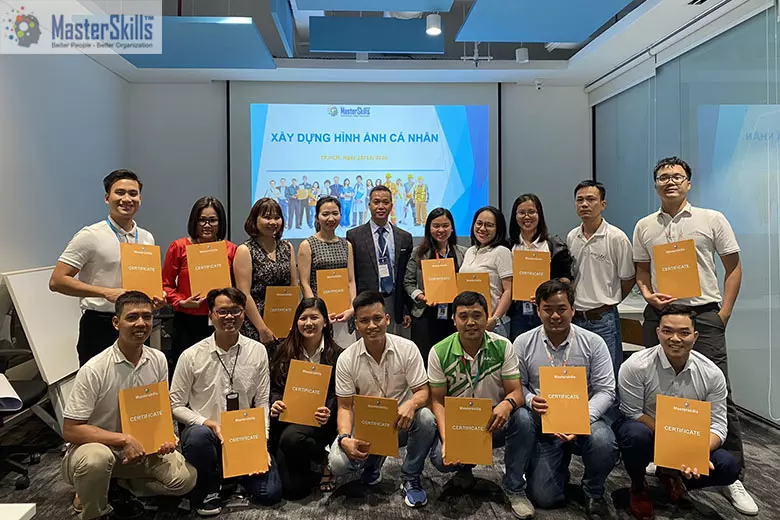 Personal Image BuildingCompany Saint Gobain VietNam – Ho Chi Minh City
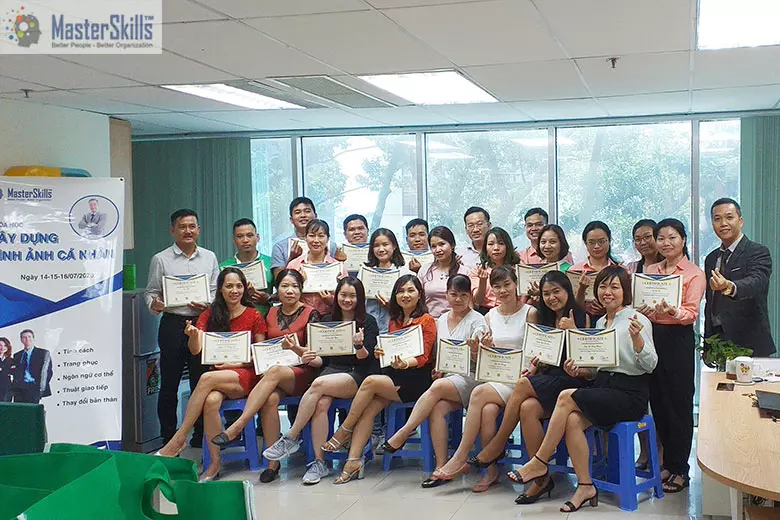 Personal Image BuildingCompany Standard Chem & Pharm - Ho Chi Minh City
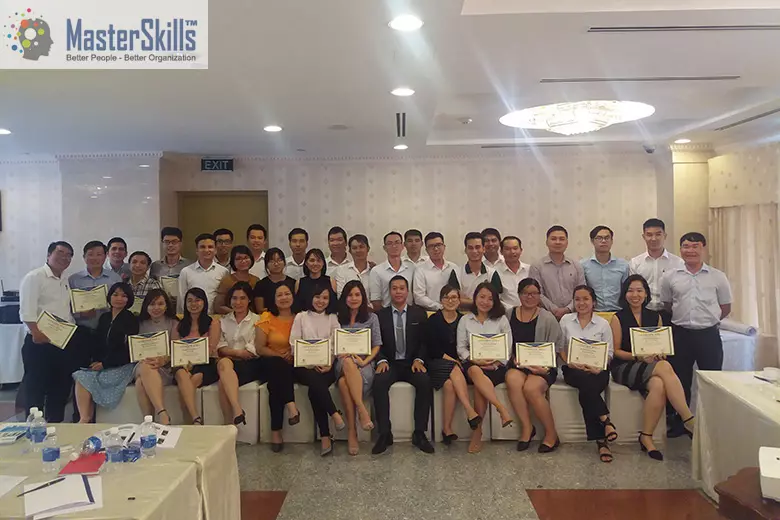 Personal Image BuildingCompany Santen Pharmaceutical Vietnam - Ho Chi Minh City
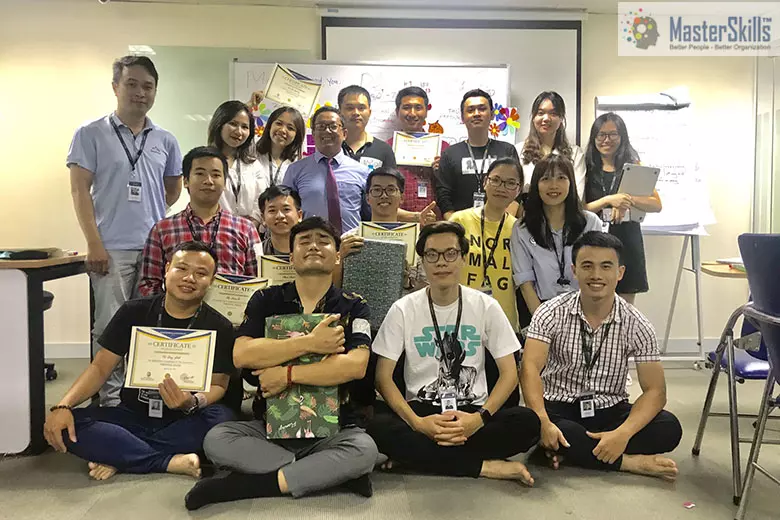 Personal Image BuildingCompany E-Soft Vietnam - Ho Chi Minh City
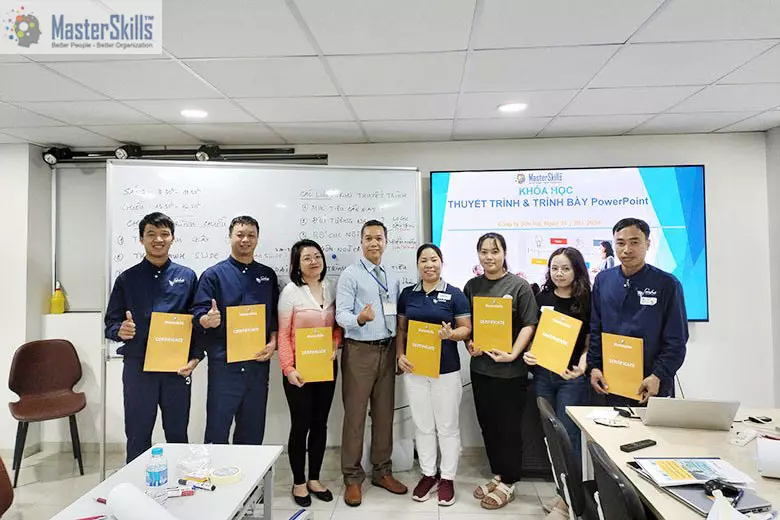 Presentation SkillsCompany Spices Son Ha - Ho Chi Minh City
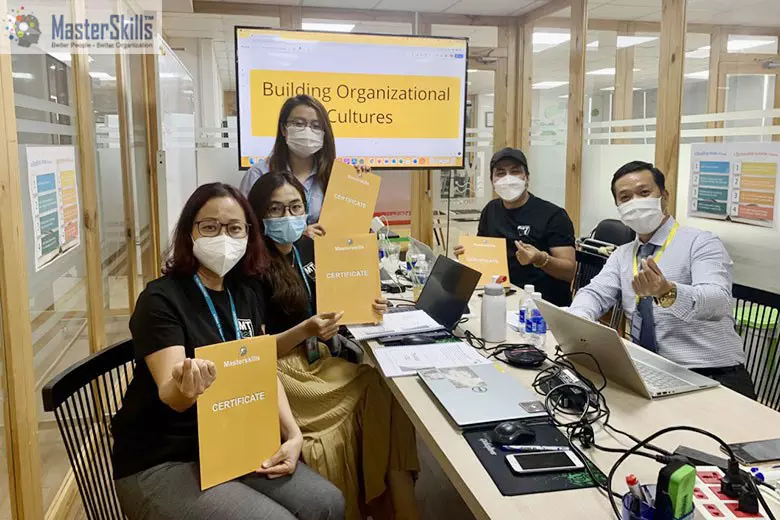 Building Corporate CultureCompany MTI Technology Vietnam - Ho Chi Minh City
.webp) Customer Journey ExperienceBank Military (MB Bank) – Ho Chi Minh City
Customer Journey ExperienceBank Military (MB Bank) – Ho Chi Minh City
Related Courses

Performance AppraisalDevelop performance appraisal capability through real workplace scenarios.

Discussion and Presentation SkillsDevelop discussion and presentation skills through real workplace scenarios.

Building a Culture of Ownership, Results and DisciplinePractice practical tools and improve workplace effectiveness.

Becoming an Effective Meeting FacilitatorPractice practical tools and improve workplace effectiveness.

Effective Dialogue Under Pressure and ConflictPractice practical tools and improve workplace effectiveness.

The Power of InfluenceDevelop influence capability through real workplace scenarios.
Ready to develop Building Effective Training Programs capability for your team?
Masterskills experts are ready to advise on a Building Effective Training Programs program aligned with your business objectives.