
Proprietary Course MaterialsStandardized content updated in line with the course objectives.








Course
Workplace Ethics and Attitude
Ethics and Attitude at Work
Develop ethical standards, accountability, and a positive work attitude to foster a professional and trustworthy workplace.
Table of Contents
1. Course Overview
Professional competence produces sustainable results only when accompanied by integrity, accountability, and a collaborative attitude. Behaviors such as avoiding responsibility, withholding information, misusing data, or responding negatively can erode trust and weaken organizational coordination.
The course “Workplace Ethics and Attitude” helps participants recognize professional standards, personal responsibilities, and appropriate conduct toward colleagues, customers, and the organization. The content covers integrity, transparency, initiative, information confidentiality, and decision-making in situations involving conflicts of interest.
Through scenario discussions and behavioral self-assessment, participants develop practical principles of conduct, learn to adjust their attitude under pressure, and contribute to a positive workplace culture.
2. Learning Objectives
- Recognize how ethics and attitude affect personal credibility and organizational performance.
- Analyze situations involving integrity, accountability, and conflicts of interest.
- Demonstrate initiative, commitment, and accountability for work outcomes.
- Interact respectfully, collaboratively, and professionally with colleagues, customers, and partners.
- Protect information and choose appropriate conduct when facing pressure or improper requests.
- Develop a plan to improve work attitudes and sustain professional standards.
3. Target Participants
- New and Existing EmployeesThose who need a shared understanding of conduct and accountability standards in the workplace.
- Managers and Team LeadersThose responsible for role-modeling, providing behavioral feedback, and maintaining team discipline.
- Customer-Facing EmployeesThose who need to protect organizational reputation through professional attitudes and conduct.
- Teams Building Corporate CultureThose seeking to strengthen integrity, collaboration, and ownership of results.
4. Course Outline
PART 01Foundations of Workplace Ethics and Attitude
- The concept of ethics in the workplace.
- The impact of attitude on work performance.
- The relationship among values, behavior, and reputation.
- The distinction between strong competence and sound ethics.
- Standards of conduct in modern organizations.
- A model of professional character.
- Scenario: technically capable but lacking accountability.
- Practice conducting a work-attitude self-assessment.
PART 02Integrity, Transparency, and Personal Accountability
- Demonstrate integrity in reporting and communication.
- Be transparent when work errors occur.
- Take responsibility instead of assigning blame.
- Honor commitments to assigned tasks.
- Comply with internal policies and procedures.
- Procedures for responding to identified misconduct.
- Example: concealing an error with serious consequences.
- Practice analyzing an ethical scenario.
PART 03Positive Attitude and Proactive Behavior
- Proactively seek solutions instead of complaining.
- Focus on what can be controlled.
- Remain open to learning from feedback.
- Maintain a collaborative mindset under pressure.
- Manage emotions in difficult situations.
- Convert negative thinking into constructive action.
- Scenario: reacting negatively to a difficult assignment.
- Practice reframing the response proactively.
PART 04Professional Conduct with Colleagues and Customers
- Respect differences in the workplace.
- Communicate courteously, clearly, and appropriately.
- Listen before responding to others' views.
- Support colleagues within appropriate boundaries.
- Maintain a service-oriented attitude toward customers.
- Avoid gossip and divisive behavior.
- Scenario: conflict caused by uncontrolled language.
- Role-play: professional conduct.
PART 05Ethical Decision-Making and Information Confidentiality
- Identify situations involving ethical risk.
- Balance personal and organizational interests.
- Protect customer and internal information.
- Avoid conflicts of interest at work.
- Do not misuse authority, data, or relationships.
- A question framework for sensitive decisions.
- Scenario: misuse of internal information.
- Practice making decisions based on ethical standards.
PART 06Sustaining an Ethical Workplace Culture
- Establish personal standards of ethical behavior.
- Provide feedback when inappropriate behavior is observed.
- Recognize people who uphold shared values.
- Learn from mistakes and real situations.
- Build a transparent and accountable environment.
- Commit to acting in accordance with workplace standards.
- Scenario: recognizing wrongdoing but hesitating to speak up.
- Practice developing a workplace ethics commitment.
5. Training Methodology
Classes are delivered in small, learner-centered groups. Instructors provide concise input, then facilitate discussions, scenario-based practice, feedback, and reflection so participants can translate knowledge into practical workplace behaviors.
Group Discussions
Individual Exercises
Group Presentations
Brainstorming Techniques
Guided Practice with the Instructor
Experiential Projects
In-Class Activities
Role-Playing Activities
Class Presentations
6. Class Information
| Expected Start Date | Schedule | Class Hours | Location | Tuition Fee | Register |
|---|---|---|---|---|---|
| To Be Announced | Saturday – Sunday | 08:30 – 16:30 | Ho Chi Minh City | VND 4,500,000 | Register |
| To Be Announced | Monday – Thursday | 18:00 – 21:30 | Hanoi | VND 4,500,000 | Register |
10% discount for registration at least 15 days in advance, groups of three or more participants, or returning clients.Reserve a Seat
Note: The schedule above is provisional and may be adjusted based on enrollment, class arrangements, and the actual training plan. Masterskills will confirm the official schedule with participants before the course begins.
- Duration: 2 days / 4 sessions; maximum 35 participants per class.
- Ho Chi Minh City: 224 Dien Bien Phu Street, Ban Co Ward, Ho Chi Minh City.
- Hanoi: 51 Le Dai Hanh Street, Hai Ba Trung Ward, Hanoi.
- Corporate in-house training: Delivered at the client's office or factory; pricing depends on the design scope, location, and class size.
- Additional costs: Instructor travel and accommodation costs are determined by the delivery location, where applicable.
7. Learning Materials & Certification
Participants receive proprietary course materials developed by Masterskills, practical handouts, self-assessment forms, and reference materials aligned with real business situations.
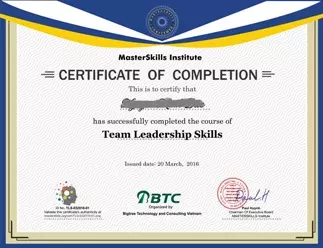
Course Completion Certificate
Participants who meet the attendance and practical requirements receive a Masterskills certificate of program completion.
8. Faculty
Masterskills instructors and experts bring practical management, consulting, and training experience relevant to the program content.

TS. Thái Trí Dũng
Human resources management and behavioral psychology expert specializing in leadership, managerial psychology, negotiation, culture, and organizational behavior.

MBA. Đinh Tiến Dũng
Human resources management and quality systems expert specializing in HR management, ISO, quality systems, and leadership skills.
9. Masterskills Corporate Profile
An overview of Masterskills' training capabilities, areas of expertise, delivery methodology, and experience partnering with organizations.
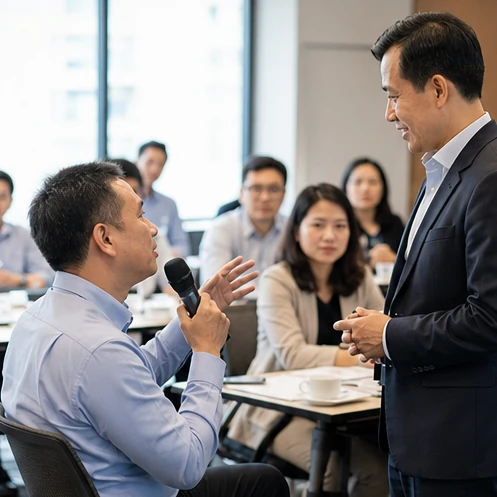
Client Testimonials
View More Client Testimonials“The Workplace Ethics and Attitude course offers practical content, workplace-relevant exercises, and clear facilitation. The instructor helps participants use appropriate tools, analyze situations, and develop solutions they can apply after the program.”
10. Selected Clients
Masterskills has delivered a number of corporate training programs with content closely related to this course topic.
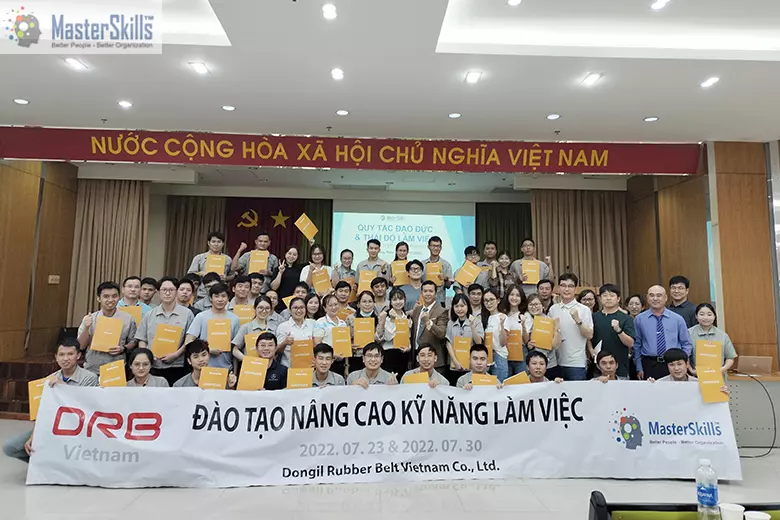 Workplace Ethics and AttitudeDongil Rubber Belt Vietnam – Ho Chi Minh City
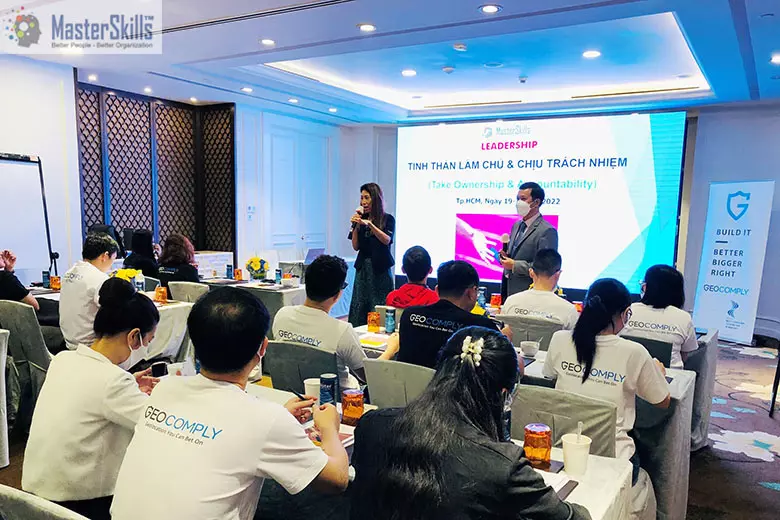 Ownership & AccountabilityG-Comply Vietnam – Ho Chi Minh City
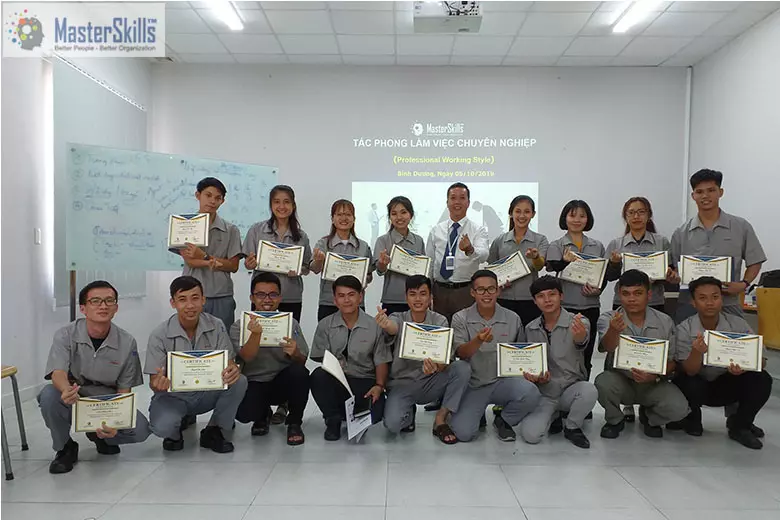 Professional Work PracticesDongil Rubber Belt Vietnam – Ho Chi Minh City
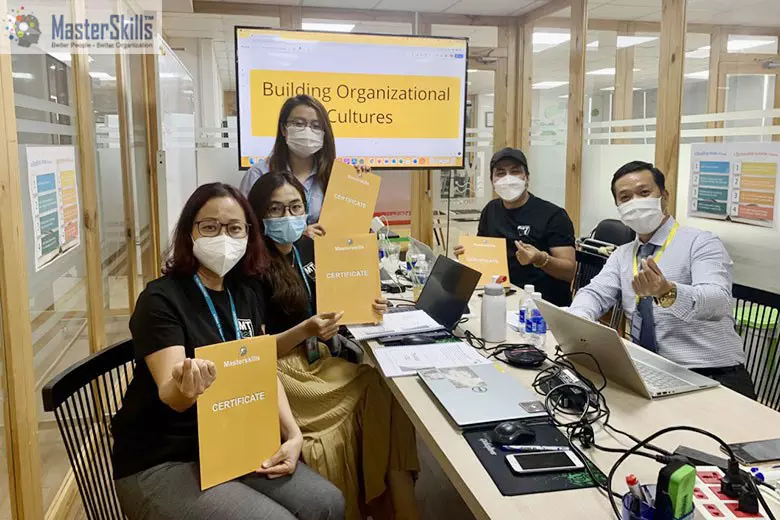 Building Corporate CultureMTI Technology Vietnam - Ho Chi Minh City
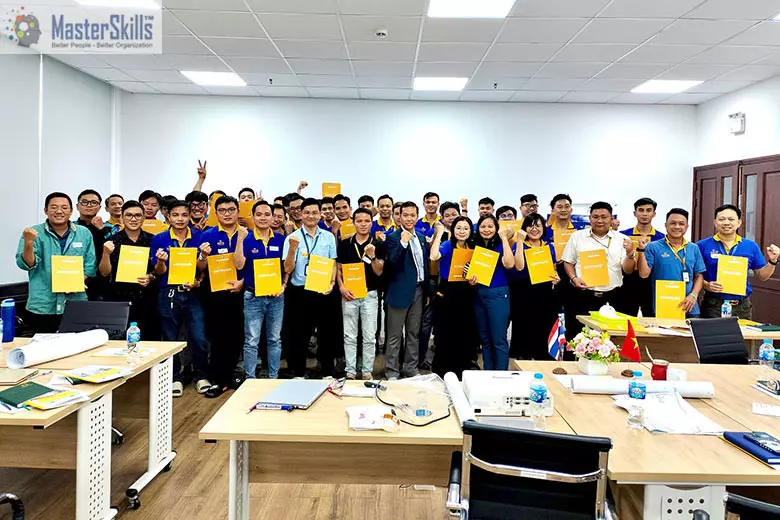 Effective Work SkillsChia Tai Vietnam - Long An
.webp) Managing the Five Dysfunctions of a TeamSpecialized Bicycle Components Vietnam - Ho Chi Minh City
Managing the Five Dysfunctions of a TeamSpecialized Bicycle Components Vietnam - Ho Chi Minh City
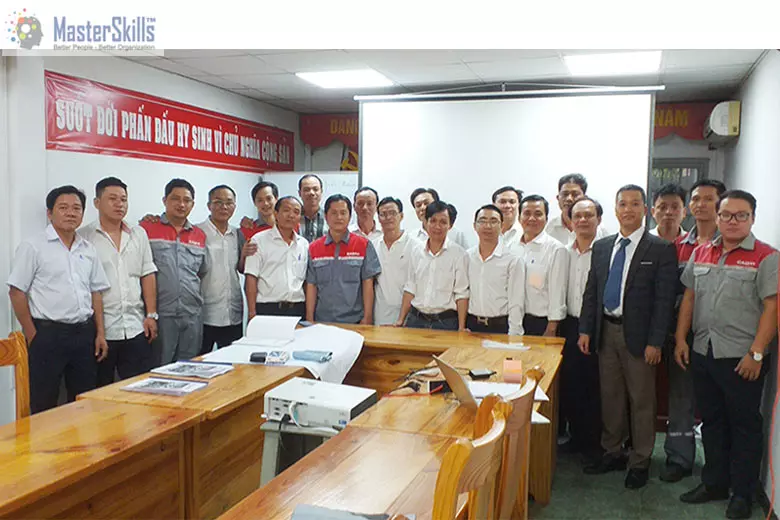 Teamwork SkillsCadivi Mien Dong Electric Cable Company – Ho Chi Minh City
.webp) Team Spirit & TeamworkAnt Farm Vietnam – Ho Chi Minh City
Team Spirit & TeamworkAnt Farm Vietnam – Ho Chi Minh City
Related Courses

Ownership & AccountabilityDevelop ownership and accountability through practical scenarios.

Remote Working SkillsDevelop remote working skills through practical scenarios.

Cross-Cultural CommunicationDevelop cross-cultural communication capability through practical scenarios.

Delegation & Work MotivationDevelop delegation and work-motivation capability through practical scenarios.

Results Focus & Operational ExcellenceDevelop results focus and operational excellence through practical scenarios.

Standard Operating Procedures (SOP)Develop capability in standard operating procedures through practical scenarios.
Ready to strengthen workplace ethics and attitude across your team?
Masterskills experts are ready to advise you on a Workplace Ethics and Attitude program aligned with your organization's objectives.